

How to Start Collecting Fine Art Photography: What Every New Collector Should Know
You do not need a trust fund to start collecting fine art photography. You do not need an art history degree. You do not need to know the right people or live near a gallery or understand auction catalogues. Those things help, eventually. But they are not where collecting starts.
Collecting starts the moment you see a photograph that stops you. A photograph you keep thinking about after you leave the room. One that you would want to see every day — not because it matches your furniture, but because it makes you feel something real every time you look at it.
If you have had that experience — even once, even with a photograph you saw online — you are already closer to being a collector than you think. The rest is learning how to act on that instinct wisely.
This guide is written from the other side of the transaction. I am a working fine art photographer. I sell limited edition prints to private collectors, most of them in the United States. I know what makes a print worth buying because I know what goes into making one. And I know the mistakes new collectors make because I have watched them make those mistakes — and sometimes helped them avoid them.
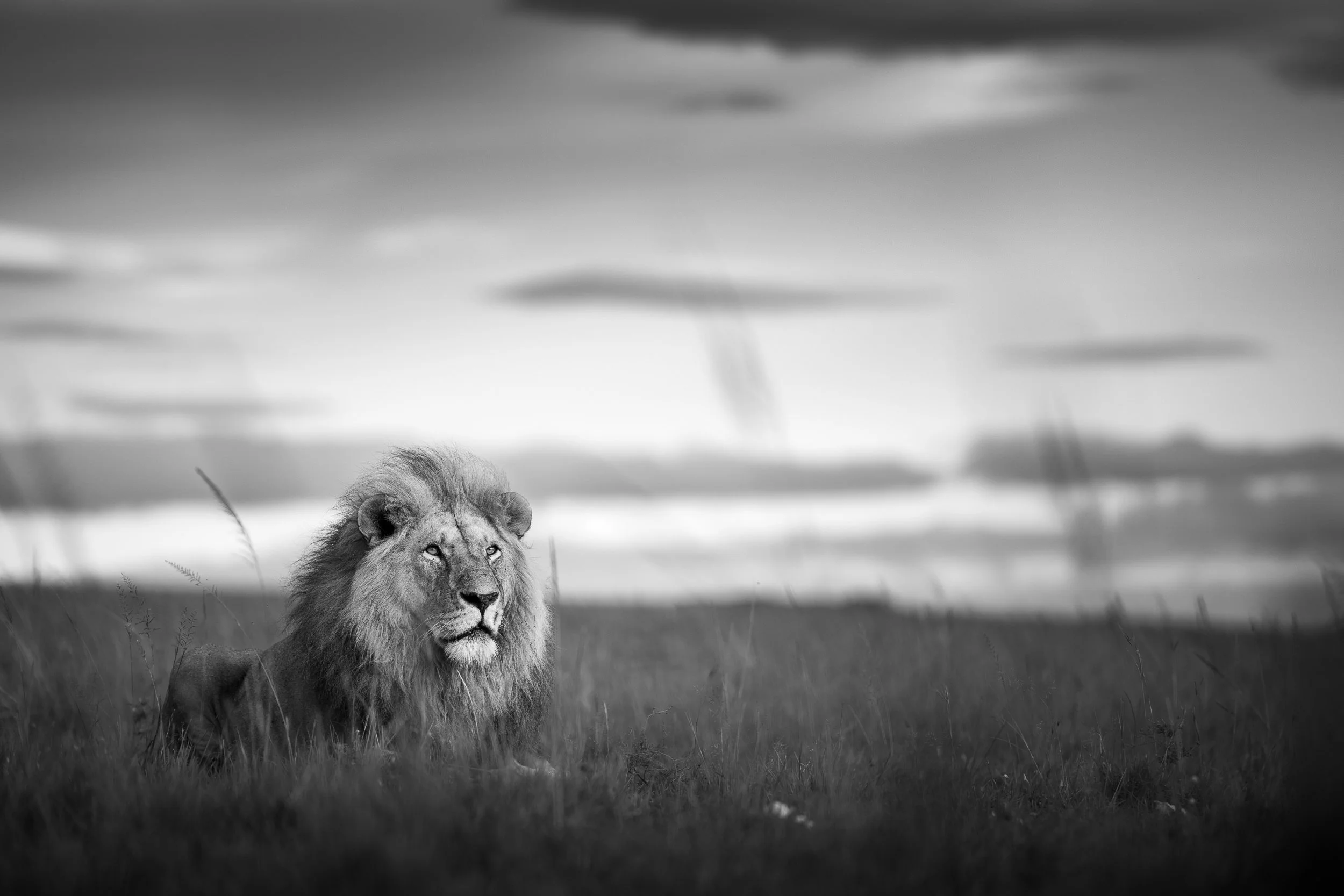
Start with what moves you, not what is trending
The single most common mistake new collectors make is buying what they think they should buy instead of what they actually respond to. They read about auction records and market trends and which photographers are "hot" — and then they buy work they feel nothing for because someone told them it was a good investment.
This is backwards. The collectors who build the most meaningful collections — and, coincidentally, the ones whose collections appreciate the most — are the ones who buy what they love. Investment performance follows artistic conviction, not the other way around.
So start with a simple question: what kind of photographs stop you? Not what kind you think is impressive or prestigious. What kind makes you look twice? What subject, what mood, what scale, what palette? Some people respond to vast landscapes. Others respond to intimate animal portraits. Some are drawn to black and white. Others want colour. There is no right answer. There is only your answer.
Your taste will evolve. Every collector's does. The first print you buy will not be the same kind of print you buy five years from now. That is fine. The point is to start with genuine feeling, not calculated positioning.
Understand what you are buying
A fine art photograph is not just an image. It is a physical object with specific properties that determine its quality, longevity, and value. Before your first purchase, you should understand what those properties are.
The edition. Most serious fine art photographers sell their work in limited editions — a fixed number of prints that will ever be made of a specific image. Edition sizes vary. Some photographers limit editions to 10. Others go to 50 or 100. My own editions are 25. The smaller the edition, the rarer each print is — and the more likely it is to hold or increase in value over time. Open editions — where the photographer can print unlimited copies — are the opposite. They may be beautiful, but they do not carry the same collectible weight.
Always ask: what is the edition size? How many have sold? Is this edition available in multiple sizes, and does each size have its own edition count? These questions are not rude. Any serious photographer will answer them clearly.
The print. Not all prints are the same. A fine art photograph should be printed with archival pigment inks on museum-grade paper — materials rated to last a century or more without fading, yellowing, or degrading. This is the standard that museums, galleries, and serious collectors expect. If a photographer cannot tell you what paper they use, what ink system they print with, or how long the print is rated to last, that is a red flag.
The difference between an archival fine art print and a standard photo print is visible and tangible. The paper has texture and weight. The blacks are deeper. The tonal transitions are smoother. The object feels like it was made with care. This matters, because a print you plan to live with for decades should be built to last decades.
The certificate. A Certificate of Authenticity (COA) accompanies every print in a limited edition. It confirms the edition number, the total edition size, the print date, and the photographer's signature. It is the document that proves your print is what the seller says it is. No COA means no verifiable provenance — and provenance matters for both value and trust.
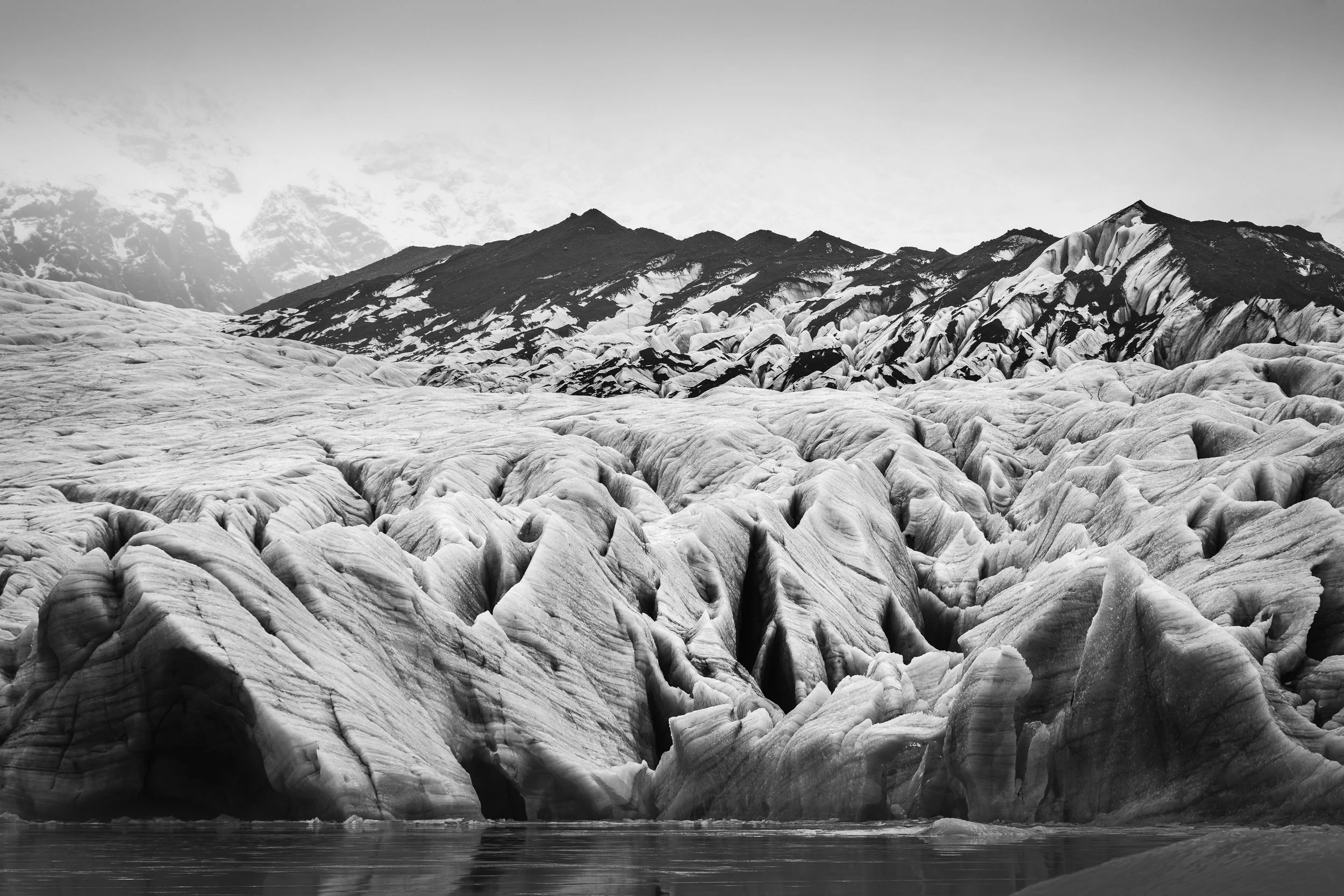
Evaluate the photographer, not just the photograph
A beautiful photograph can come from anywhere. A collectible photograph comes from an artist with a track record, a coherent vision, and a commitment to the standards that make the work worth owning long-term.
When you are considering a purchase, look beyond the single image. Look at the photographer's body of work. Do the photographs connect to each other? Are they organised into coherent collections or series? Or is the portfolio a random assortment of unrelated images? Photographers who work in series — who return to themes, locations, and ideas across multiple projects — are thinking like artists, not like content producers. That distinction matters.
Look at the photographer's artist statement. Not because it needs to be eloquent, but because it should exist. A photographer who can articulate why they make the work they make — what drives it, what it means, what they are trying to say — is a photographer who takes the work seriously. Galleries evaluate this. Collectors should too.
Look at edition discipline. Does the photographer maintain consistent, small editions? Or do they constantly reissue images in new sizes, new formats, new "special editions" that effectively make the original edition meaningless? Edition integrity is one of the clearest signals of a serious artist. Once an edition is set, it should not change.
And look at the printing standard. A photographer who invests in museum-grade archival materials is making a commitment to the longevity of the work — and by extension, to the people who collect it. The process behind the print tells you a lot about the photographer's values.
How to think about price
New collectors often have one of two reactions to fine art photography pricing. Either they think it is impossibly expensive (because they are comparing it to poster prints), or they think it is surprisingly accessible (because they are comparing it to painting and sculpture).
Both reactions are partly right. Fine art photography is more expensive than decoration — a limited edition archival print typically starts in the hundreds and can reach thousands or tens of thousands depending on the artist, the edition, and the size. But compared to other fine art mediums, photography is one of the most accessible entry points into serious collecting. Work by emerging and mid-career photographers can be acquired for prices that would not buy a small painting by an artist at the same career stage.
Price in fine art photography is driven by several factors: the artist's reputation and exhibition history, the edition size and how many prints remain available, the print size (larger prints command higher prices because they are more impactful and more costly to produce), and the printing and framing quality. As an edition sells and fewer prints remain, the price typically increases. This is not a marketing gimmick — it is how scarcity works in any market.
The practical advice for new collectors: buy what you love, at the size that works for your space, at a price you can afford without stress. Do not stretch beyond your means for a first purchase. If the work is good and the edition is small, the value will hold. Your first print is not your last print. It is the beginning of a relationship with the art and the artist.
Think about display before you buy
This sounds obvious, but many new collectors buy a print without thinking about where it will live. Then it sits in a tube in a closet for six months while they figure out framing.
Before you purchase, think about the wall. How much space do you have? What is the lighting like? Is there direct sunlight (which is the enemy of any artwork)? What is the dominant colour palette of the room — not because the art needs to match, but because a black and white print and a colour print will interact with the space very differently.
Size matters more than most people expect. A photograph that looks stunning at 24 inches wide might feel lost on a large wall. A photograph printed at 60 inches might overwhelm a small room. The right size is the one that gives the photograph enough presence to command attention without dominating the space so completely that you cannot breathe.
If you are unsure, ask the photographer. Most fine art photographers — myself included — are happy to discuss sizing, and many can provide mock-ups that show how a specific print would look at different scales. This is not a sales tactic. It is part of the service, and it helps both the collector and the artist ensure the work is displayed properly.
Framing is the next decision. Museum-grade framing with UV-protective glazing is the standard for fine art photography. It protects the print, enhances its presentation, and ensures the work looks as good in twenty years as it does today. Cheap framing on an expensive print is like putting bad tyres on a good car. The frame does not need to be flashy — in fact, the best frames are the ones you do not notice. They should support the photograph, not compete with it.
Where to buy
There are three main channels for acquiring fine art photography, and each has its strengths.
Directly from the photographer. This is the most personal option and often the most affordable, since there is no gallery commission built into the price. Buying directly also gives you access to the artist's full inventory, including work that may not be shown in galleries. You can ask questions about the process, the edition, the story behind the image. Most photographers who sell directly — through their own websites — offer the same quality and standards as gallery-represented work. The relationship is more direct, which many collectors prefer.
Through galleries. Galleries offer curation, expertise, and a physical space to see work in person before buying. They vet the artists they represent, which provides a layer of quality assurance. The trade-off is price — galleries typically take a 50% commission, which is reflected in the retail price. If you are drawn to a specific photographer's work and they are gallery-represented, visiting the gallery is a valuable experience. But you are paying for the gallery's services and overhead in addition to the art itself.
At auction. Auction houses sell work by established and deceased photographers. This is where record prices are set and where serious collectors compete for rare pieces. It is not where most new collectors should start — the premiums are high, the pace is fast, and the learning curve is steep. But understanding that an auction market exists for fine art photography is important context. It means the medium has institutional legitimacy and secondary market value. What you buy today from an emerging photographer could appear at auction decades from now.
For a first purchase, buying directly from a photographer whose work you have connected with is the best path. The experience is personal, the risk is low, and the relationship you build with the artist is itself part of the value of collecting.
The first print is the hardest
Every collector I have spoken to says the same thing: the first purchase is the hardest. Not because it is expensive, or complicated, or risky. But because it is a commitment. You are saying: I take this seriously enough to spend money on it, hang it in my home, and live with it.
After the first print, something shifts. You start seeing photographs differently. You notice the difference between work that belongs in a gallery and work that belongs above a sofa. You develop preferences — not just for subjects and styles, but for paper textures, edition sizes, printing quality. You start building taste, which is the single most valuable asset a collector can have.
The second print is easier. The third is almost inevitable. And at some point, without quite planning it, you have a collection — a group of photographs that reflect your eye, your values, and your relationship with the art you have chosen to live with.
That is collecting. And if you have been wondering how to start collecting photography, the answer is simpler than you expected. It does not require wealth or expertise. It requires attention, genuine feeling, and the willingness to take the first step.
Start with what moves you. The rest follows.
Explore the collections:View all limited edition fine art photography collections →
Interested in a print?Submit a print enquiry →