

Why Photography Belongs in the Gallery, Not Above the Sofa
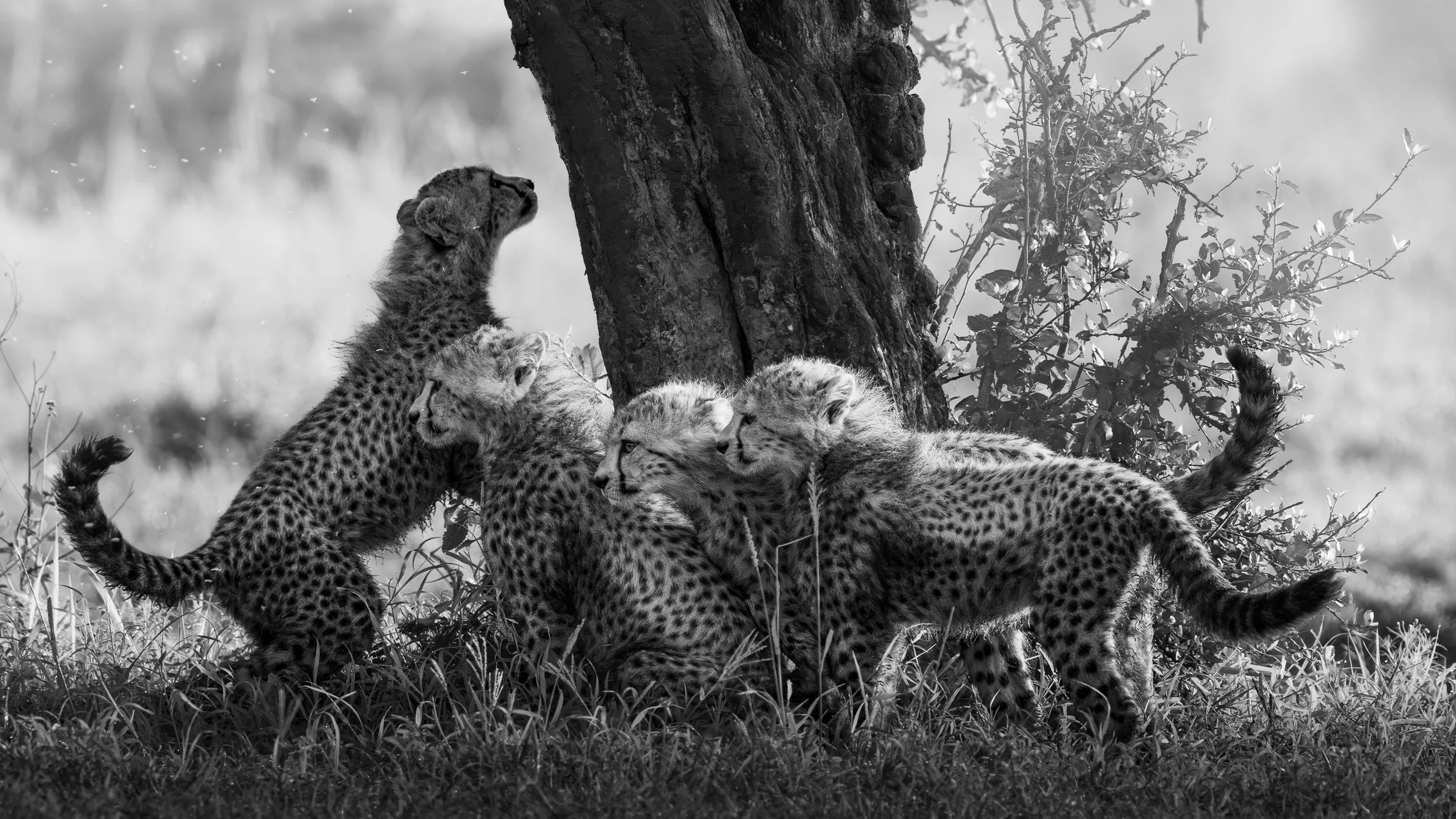
There is a photograph hanging in almost every living room in the world. A beach sunset. A city skyline. A close-up of a flower. Nobody stops to look at it. Nobody thinks about it. It matches the couch. That is its job, and it does it well.
There is nothing wrong with that. Decoration is a real function and a valid one. But it is not art. And understanding the difference between fine art photography vs regular photography is the single most important thing for anyone who wants to collect photographs seriously — or make them seriously.
The distinction is not about quality. It is not about resolution, or dynamic range, or whether the photographer used a medium format camera or a phone. Some of the most technically perfect photographs ever made are completely empty. And some of the most important photographs in history are blurry, grainy, and off-centre.
The distinction is about what the photograph asks of you.
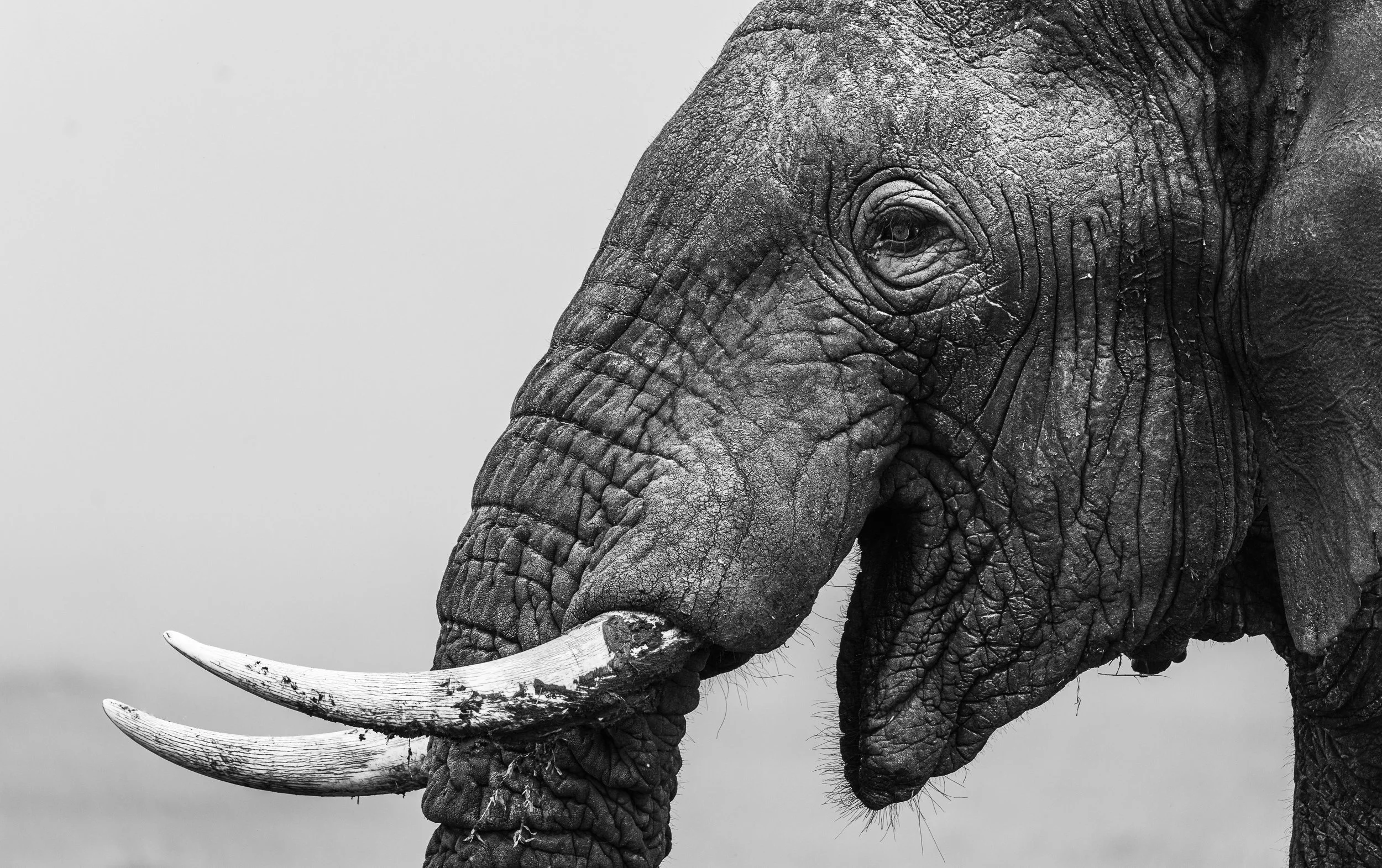
Decoration fills space. Art creates it.
A decorative photograph exists to complement a room. It should not challenge anything. It should not disturb. It should be pleasant, appropriate, and invisible enough that you stop noticing it after the first week. Interior decorators know this — they select photographs the way they select throw pillows. By colour, by size, by mood. The photograph is subordinate to the room.
Fine art photography works the other way around. The photograph comes first. The room adjusts to it.
When a collector hangs a limited edition print on their wall, the photograph does not disappear into the space. It occupies it. It becomes the thing people notice when they walk in. It starts conversations. It shifts the emotional temperature of the room. A year later, you are still seeing something new in it.
This is not about size, though scale matters. It is about presence. Some photographs have it. Most do not. And this is the core of the fine art photography vs regular photography question — not whether the image is good, but whether it has enough weight to hold a room on its own.
The question galleries ask
Galleries do not ask whether a photograph is beautiful. Beauty is easy. Walk outside with a camera at golden hour and beauty is everywhere. What galleries ask is harder: Does this photographer have something to say?
That question sounds simple. It is not.
Having something to say means the work comes from a specific, articulated vision — not just a good eye. It means the photographer has made choices that go beyond composition and exposure. Choices about what to include, what to leave out, why this subject, why this moment, why present it this way and not another way.
It means the photographs connect to each other. They form a body of work, not a random portfolio of greatest hits. A gallery wants to see an artist who thinks in series — who returns to ideas, develops them, pushes them further with each project.
Most photography that ends up above sofas does not do this. It does not need to. It is selling a vibe, not a vision. And that is perfectly fine for its purpose — but its purpose is not art.
Why the distinction matters for collectors
If you are thinking about starting a fine art photography collection, this distinction is the first thing to understand. It changes everything — what you look for, what you pay, what you own, and what your collection is worth over time.
Decorative prints are priced for volume. They are sold in open editions or editions so large they are functionally unlimited. Their value is the value of the print itself — the paper, the ink, the frame. When you are tired of it, you replace it. Nobody asks what happened to the old one.
Fine art photography prints are priced for rarity, artistic merit, and the reputation of the artist. They are sold in small limited editions — typically between 10 and 50 — with each print signed, numbered, and accompanied by a certificate of authenticity. Their value can appreciate over time, especially as editions sell out and the artist's career develops. You do not replace a fine art print. You live with it. The relationship deepens.
This is why the question of fine art photography vs regular photography is not academic. It is financial. It is emotional. And it determines whether what hangs on your wall is an expense or an investment.
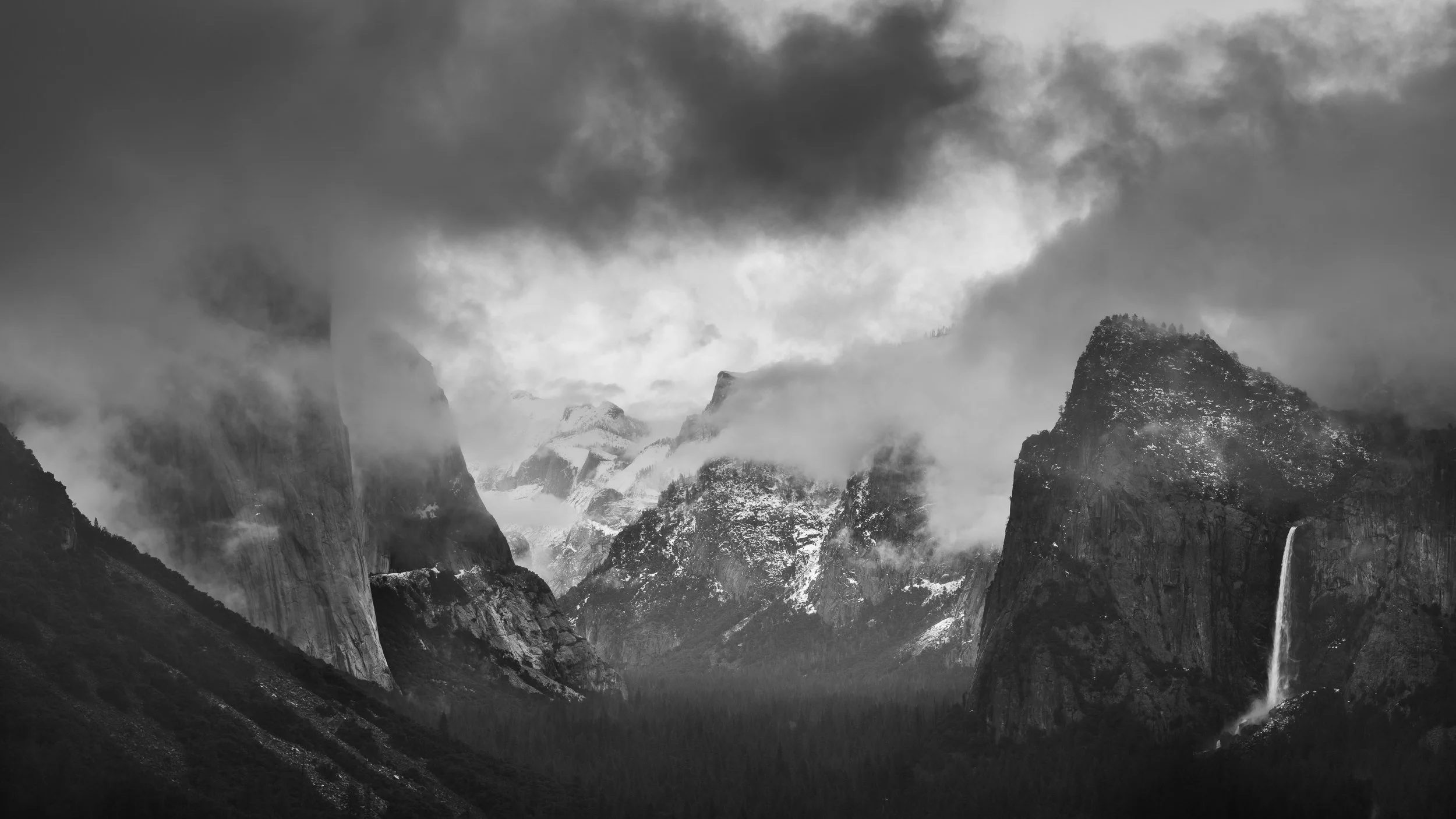
Photography's fight for the gallery wall
There is a historical reason photography still struggles for recognition in certain corners of the art world. For most of its history, photography was classified as a craft, not an art form. It was mechanical. Anyone could press the shutter. It took decades for institutions to accept that the photographer's eye — the decisions about light, timing, framing, and meaning — was as creative as a painter's brushstroke.
That fight is mostly won now at the institutional level. Photography sits in the permanent collections of MoMA, the Tate, the Getty. Auction records for photographs have broken into the millions. In 2022, Man Ray's Le Violon d'Ingres sold for $12.4 million. Edward Weston, Ansel Adams, Andreas Gursky — their prints trade alongside paintings and sculptures at the same auction houses, evaluated by the same standards of artistic significance and market demand.
But the fight continues in the market below the auction houses. The vast majority of photographs sold today are still sold as decoration. Online marketplaces list millions of prints alongside canvas wraps and poster reproductions. The word "photography" covers everything from mass-produced wall fillers to museum-quality archival prints — and most buyers cannot tell the difference.
This is why the language matters. This is why I call my work fine art photography, not wildlife photography. Not because the label makes it better, but because it signals a different intention, a different standard, and a different relationship with the person who owns it. Regular photography describes what the lens saw. Fine art photography reveals what the photographer understood.
What makes photography fine art
There is no clean checklist. Art resists categories. But there are patterns that hold up across the work that galleries show, that collectors seek, and that appreciates in value over time. If you are trying to understand the real difference between fine art photography and regular photography, these are the things to look for:
Vision over technique. The photographer has a recognisable way of seeing the world. You could identify their work without seeing a signature. Nick Brandt's elephants look nothing like David Yarrow's elephants — same animal, entirely different artistic universes. The technical decisions — black and white or colour, scale, printing method, paper choice — serve the vision, not the other way around. When technique leads, you get impressive images. When vision leads, you get art.
Series over singles. The work is organised into coherent bodies — collections built around a place, a theme, an idea. Each photograph gains meaning from the others in the series. A single image of an elephant might be striking. A series of photographs from the same river, over multiple trips, exploring the same herd's relationship with the landscape — that reveals how an artist thinks. The same logic runs through every serious project — a series like The Heart of the Wild, a black and white study of the Maasai Mara, is not a portfolio of lion photographs but a sustained look at what survives on an open plain. Galleries do not represent photographers who produce random beautiful images. They represent artists who build coherent bodies of work.
Scarcity by design. Editions are small because the artist believes each print should matter. This is not artificial scarcity or a marketing trick — it is a commitment that every print in circulation carries weight. When an edition sells out, it is finished. The artist does not reissue it under a different name or in a different size to keep selling. This discipline is one of the clearest signals that separates fine art photography from the decorative market, where the same image can be printed and sold indefinitely.
Archival craft. The printing process is part of the art. Museum-grade papers, archival pigment inks rated to last over a century, careful colour management, and meticulous quality control at every stage. Not because the collector cares about chemistry, but because a photograph made to last 200 years carries a different kind of seriousness than one printed on demand at a fulfilment centre. The process behind the print is invisible to most viewers, but it is fundamental to the object's integrity as a work of art.
Something at stake. The work engages with ideas that matter to the artist. It is not illustrative. It does not exist to decorate an article or fill a hotel corridor. There is a reason this photograph exists, and that reason is bigger than the photograph itself. For my own work, the reason is the case for wildness — the argument that wild places and wild animals still carry meaning in a world that is losing both. That is what drives every image. Without it, they would just be pictures of animals.
The market is separating
Something interesting is happening in the photography market right now. The gap between decorative photography and fine art photography is widening — in price, in perception, and in where each type of work ends up.
On one side, decorative prints are becoming cheaper and more commoditised. Print-on-demand services, AI-generated images, and stock photography libraries have flooded the market with images that are competent, pleasant, and essentially interchangeable. You can buy a reasonably attractive photograph of almost anything for less than the cost of the frame. This is great for people who want affordable wall décor. But it means that regular photography — the kind with no artistic vision behind it, no edition discipline, no archival standards — is worth less and less.
On the other side, fine art photography is appreciating. Auction prices for established photographers continue to rise. Institutional collections are expanding their photography holdings. A new generation of collectors is entering the market, drawn by the relative accessibility of photography compared to painting and sculpture. A significant work by a recognised contemporary photographer might cost a fraction of what a comparable painting would — and the gap between those price points is narrowing.
For collectors, this divergence creates a clear opportunity. The photographs that will hold or increase their value are the ones that meet the fine art standard: distinctive vision, limited editions, archival printing, series coherence, and artistic significance. Everything else is decoration — and decoration depreciates the moment you hang it.
The sofa is fine. The gallery is better.
I am not arguing against decoration. People should surround themselves with images that make them feel good. If a sunset print from a home goods store brings you peace, it has done its job. Not every photograph needs to be art, and not every wall needs a statement piece.
But if you want something more — a photograph that challenges you, that rewards repeated looking, that gains meaning over years instead of fading into background — then you are looking for fine art. And fine art photography is having one of its strongest moments in history. The market is growing. Institutional recognition is deepening. The tools for finding and collecting serious work are more accessible than they have ever been.
The question is not whether photography belongs in the gallery. That argument is settled. The question is whether you are buying photographs that deserve to be there — or photographs that will always belong above the sofa.
The difference between the two is the difference between owning something and being changed by it.
Explore the collections: View all limited edition fine art photography collections →
Interested in a print? Submit a print enquiry →