

What Is Fine Art Photography? the in-depth guide
Fine art photography is photography created as a form of artistic expression. It is guided by the photographer’s personal vision and intention, rather than by commercial, documentary, or technical goals. A fine art photograph is made to be experienced as art, often produced as a limited edition print.
Fine art photography is often misunderstood because it looks familiar. It uses a camera. It shows real places, people, or animals. Yet its purpose is very different from most photography we see every day.
It is not created to explain, promote, or document something. It is created to express a way of seeing. The photographer is not trying to show what was there, but why the moment mattered.
The difference is not the subject or the equipment. It is the intention behind the image.
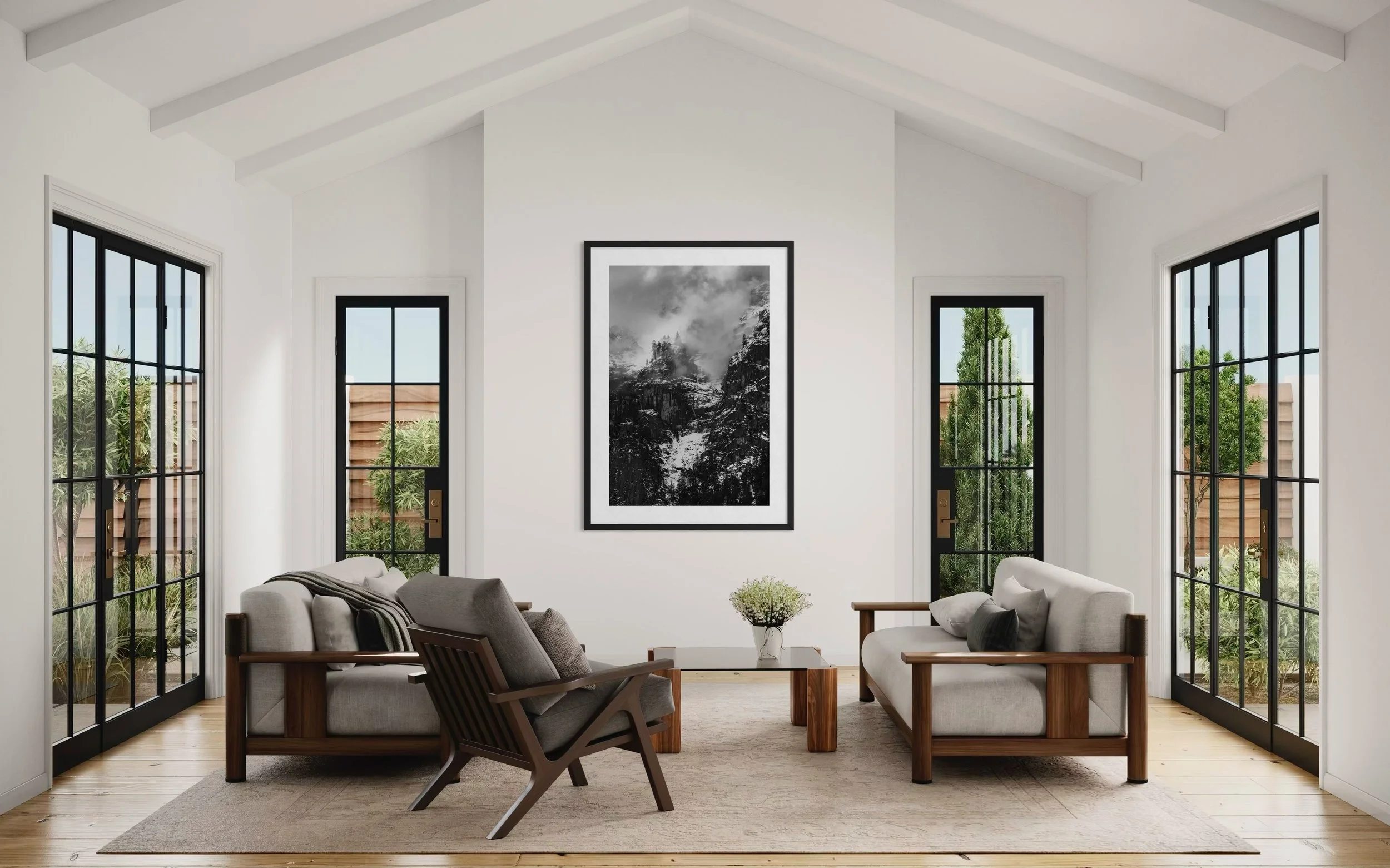
A Simple Definition of Fine Art Photography
Fine art photography can be defined as photography made with artistic intent. The image is created as a personal statement and presented as a finished artwork, rather than as information or visual content.
In fine art photography, the photograph is the final work. It is not a step in a process or a tool for another purpose. It exists to be experienced, lived with, and reflected upon.
Fine Art Photography vs Regular Photography
The easiest way to understand the difference between fine art photography and regular photography is to look at purpose.
Most photography serves a function. It may document an event, promote a product, record a memory, or deliver information. Success is measured by clarity and usefulness.
Fine art photography serves no practical function. Its purpose is meaning.
Two photographers can stand in the same place and photograph the same scene. One image may describe what happened. The other may interpret the moment. That interpretation is where fine art begins.
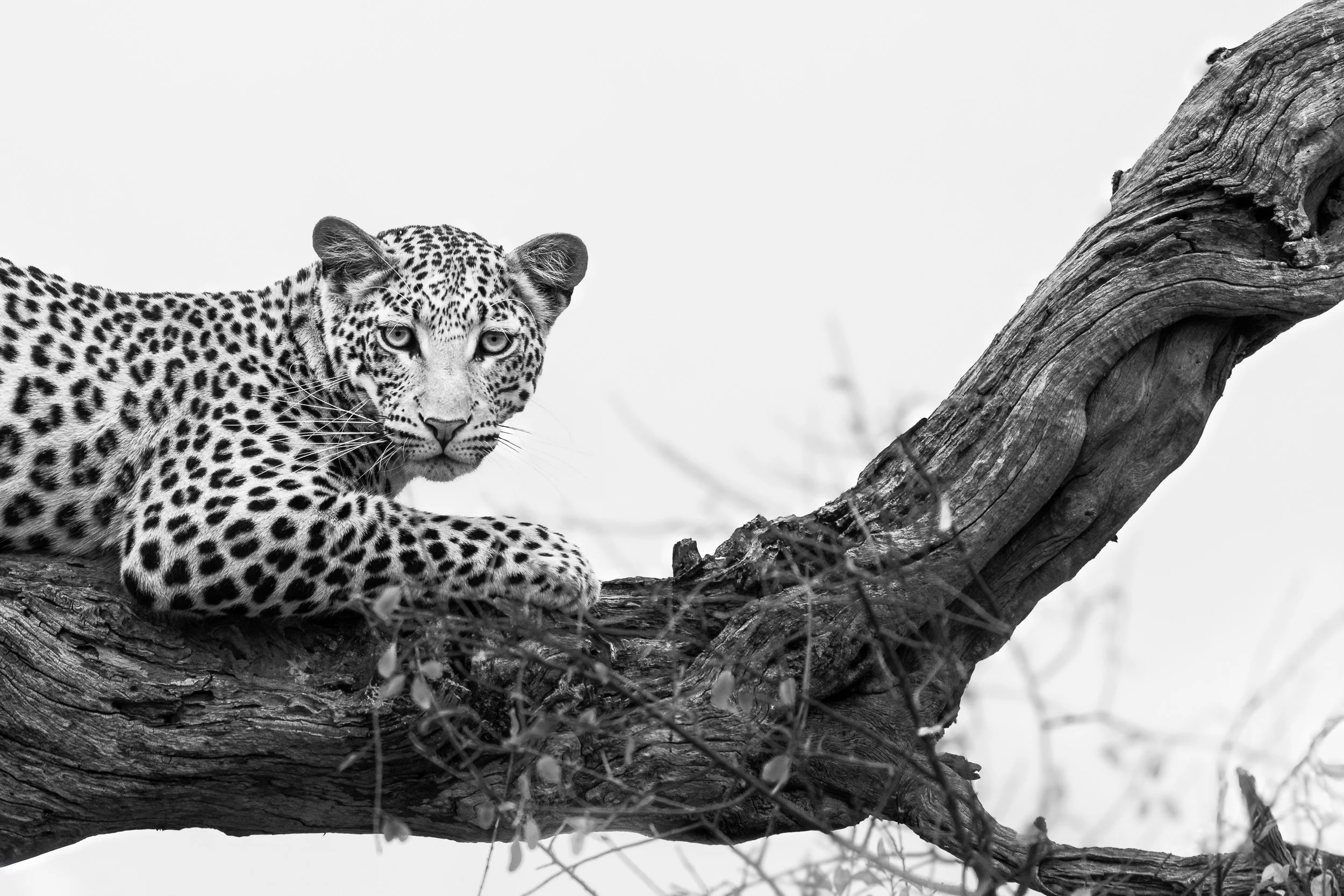
Branch and Shadow, explore the Echoes of Chobe collection
The Role of Intention
Intention is the foundation of fine art photography.
Before the shutter is pressed, the photographer has already made choices. What to wait for. What light matters. What mood feels true. What does not belong in the frame.
Nothing is rushed. Nothing is accidental.
This intention shapes every stage of the work, from the moment of capture to the final print. It is what allows a fine art photograph to move beyond a single moment and remain relevant over time.
Vision Beyond the Scene
Fine art photography is not about showing everything. It is about showing what feels essential.
The photographer often works slowly and returns to the same places many times. Familiarity replaces urgency. Observation replaces reaction.
The final image reflects not just the scene itself, but the photographer’s relationship with it. What remains is a distilled moment, shaped by patience and clarity.
Craftsmanship and the Importance of the Print
A fine art photograph is not complete when it appears on a screen.
The physical print is part of the artwork. Paper choice, tonal depth, size, and finish all affect how the image is experienced. Museum-grade materials are used to ensure the photograph will last for decades without degradation.
The print allows the photograph to exist in space. It gives the image weight and presence. This is why fine art photography belongs in collections, not in feeds.
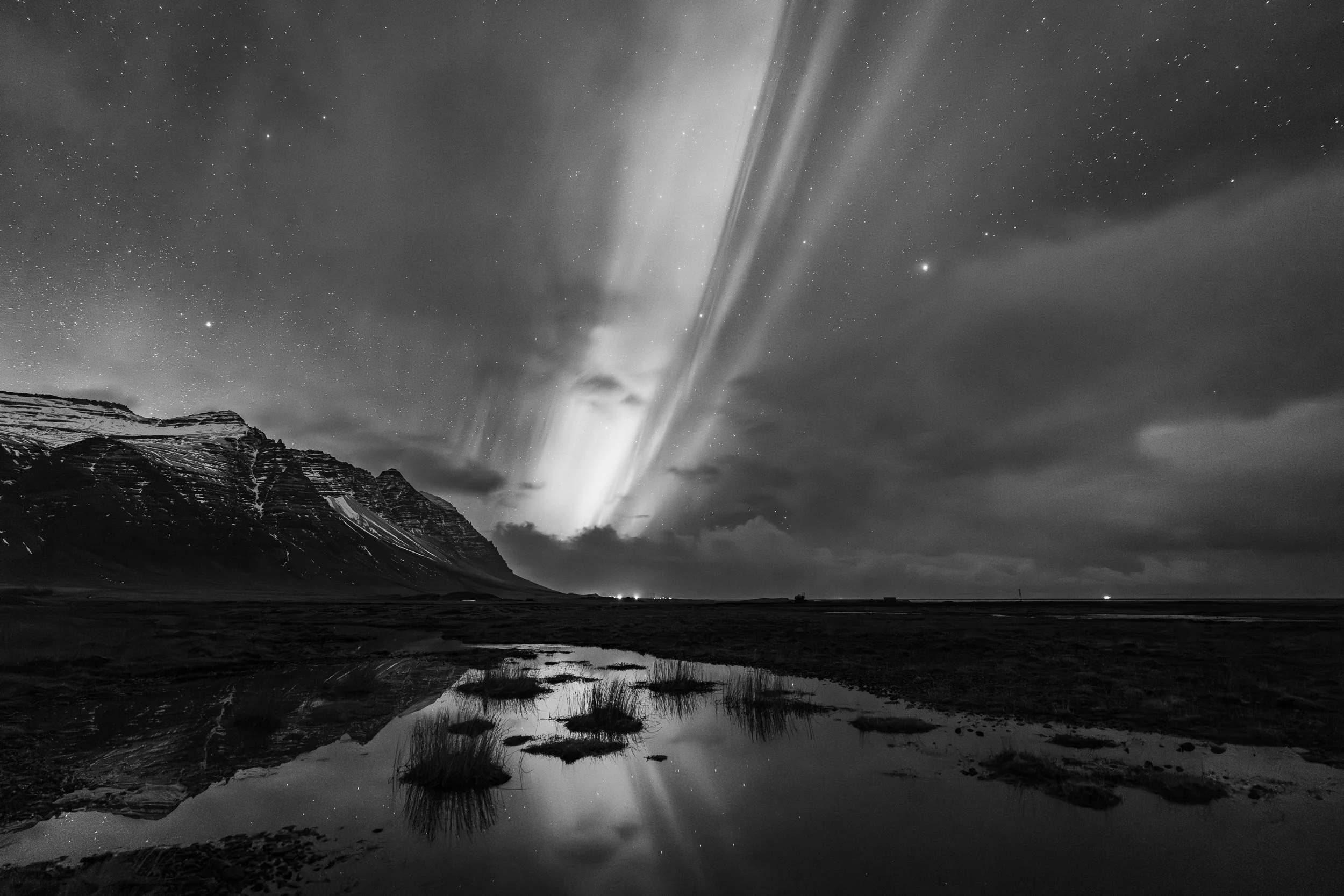
Whispers of the Night Sky, from the The Land of Ice collection.
Limited Editions and Artistic Integrity
Most fine art photographs are released as limited edition prints.
A limited edition means the artist commits to producing a fixed number of prints of an image, in a specific size and medium. Once the edition is complete, no more prints are made in that form.
Each print is usually signed, numbered, and accompanied by a certificate of authenticity. This establishes trust and protects the integrity of the work. It also places photography within the long tradition of collectible fine art.
Emotional Connection and Presence
Fine art photography is not created to impress. It is created to resonate.
Collectors often describe living with a fine art photograph as a quiet experience. The image does not demand attention, but it holds it. Over time, new details emerge. The relationship with the work deepens.
This lasting emotional presence is what separates fine art photography from visual trends. Style changes. Meaning remains.
Is Fine Art Photography Subjective?
Yes. And that is part of its value.
Fine art photography does not aim to please everyone. It invites personal interpretation. One viewer may feel calm. Another may feel tension. Both responses are valid.
The strength of a fine art photograph lies in its ability to connect deeply with the right viewer, not with the widest audience.
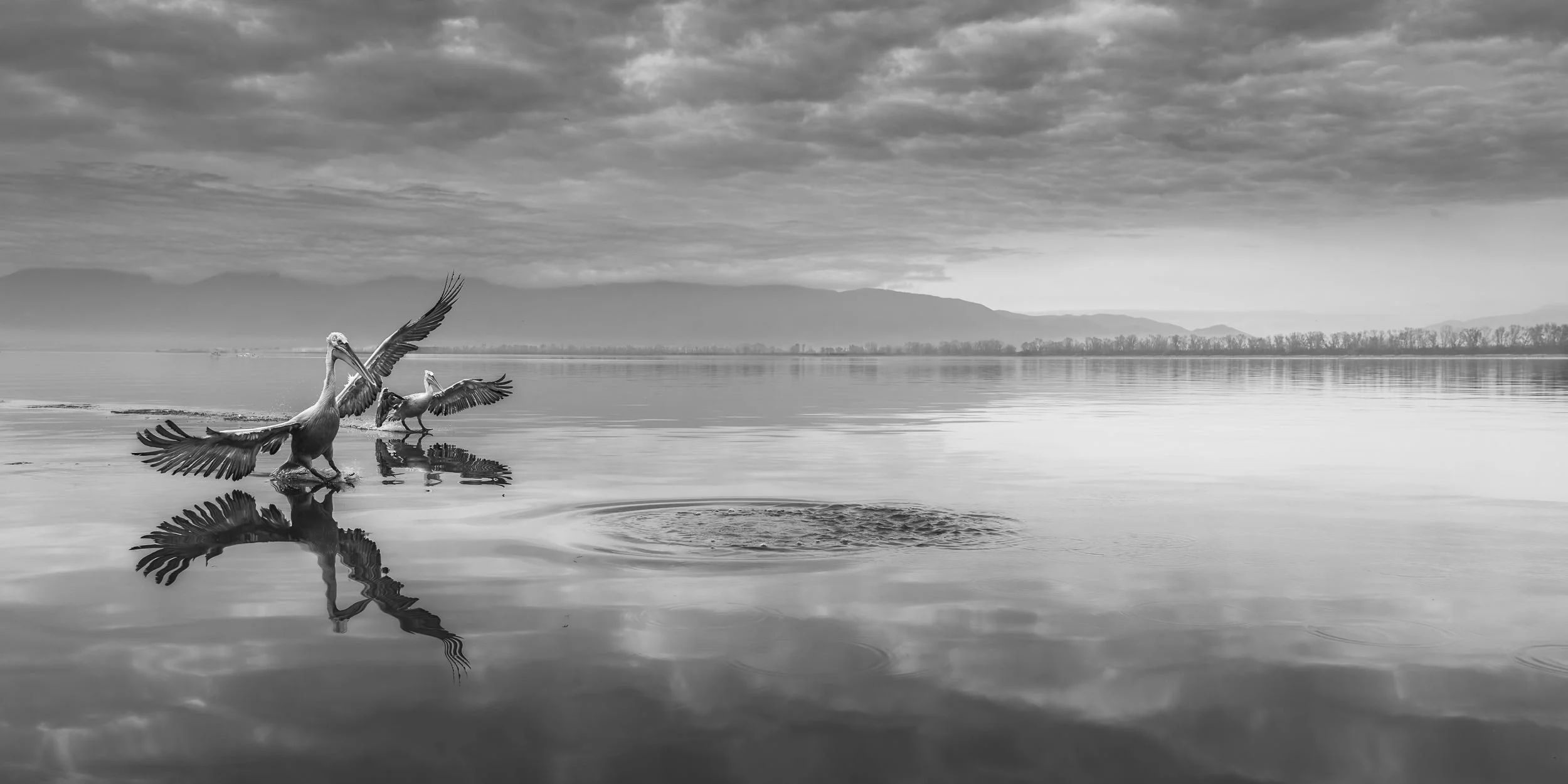
Tranquil Reign, The Kingdom of Pelicans series.
What People Often Ask About Fine Art Photography
What makes a photograph fine art?
A photograph becomes fine art when it is created with intention and personal vision. The focus is on meaning rather than documentation, and the final image is presented as a finished artwork, often as a limited edition print.
Is fine art photography different from regular photography?
Yes. Regular photography usually serves a practical purpose. Fine art photography exists as an artwork in itself. The emotional and artistic value of the image matters more than function or technical perfection.
Can fine art photography be realistic?
Yes. Fine art photography can be realistic, minimal, dramatic, or subtle. What defines it is not style, but intention. Even very natural images can be fine art if they are created as personal artistic statements
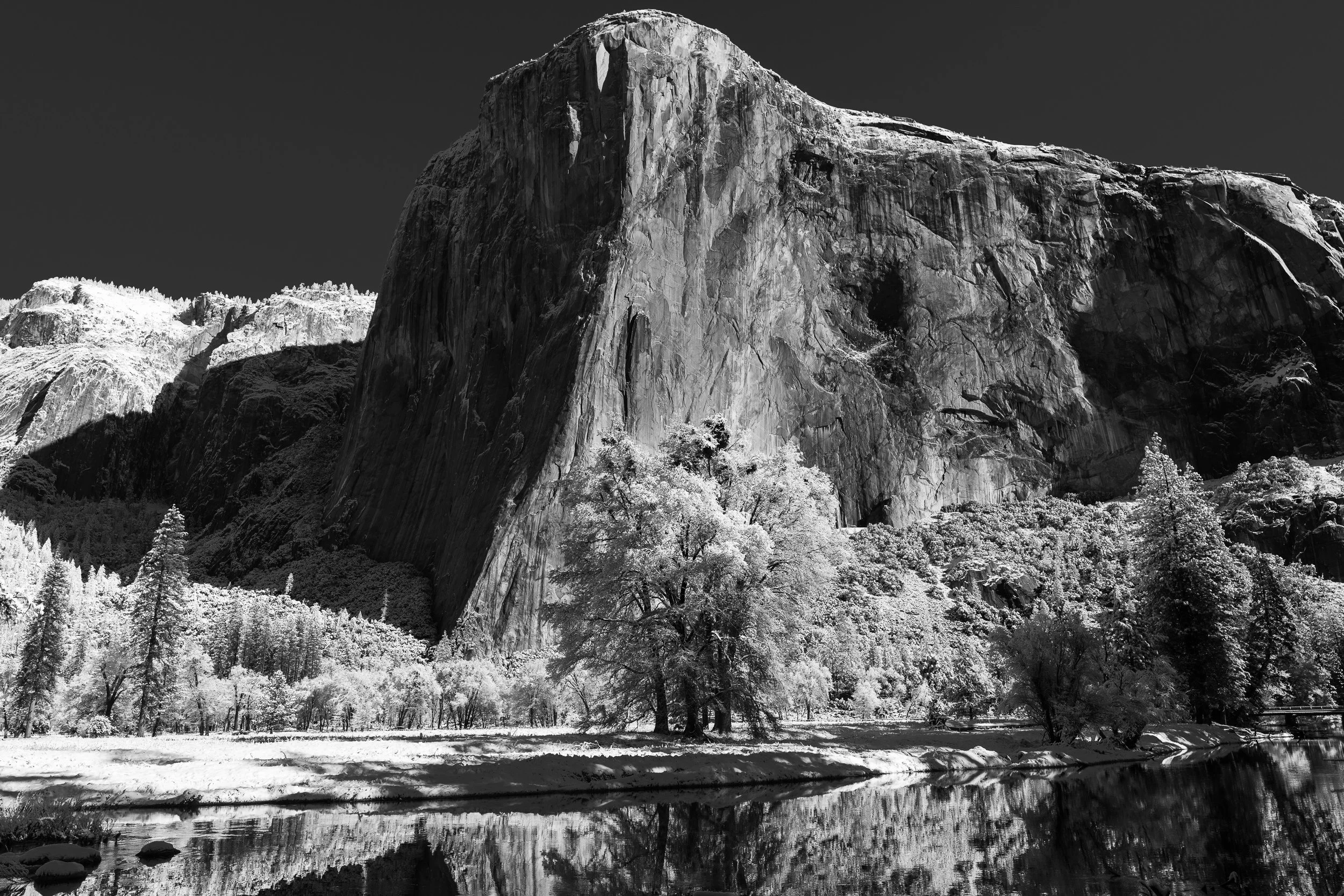
Light Across the Wall, explore the Inspired by Ansel Adams fine art series
Why Fine Art Photography Matters
In a world filled with constant images, fine art photography asks for attention and patience.
It slows the act of seeing. It encourages reflection. It reminds us that some moments deserve time, care, and presence.
Fine art photography restores depth to photography by treating each image as something meant to last.
Learn More About Fine Art Photography
Final Thoughts
Fine art photography is not defined by rules, equipment, or trends. It is defined by intention, clarity, and honesty.
When photography is guided by vision rather than urgency, it becomes more than an image. It becomes a lasting expression—one that continues to speak long after it was created.