

The Art of Collecting Fine Art Wildlife Photography
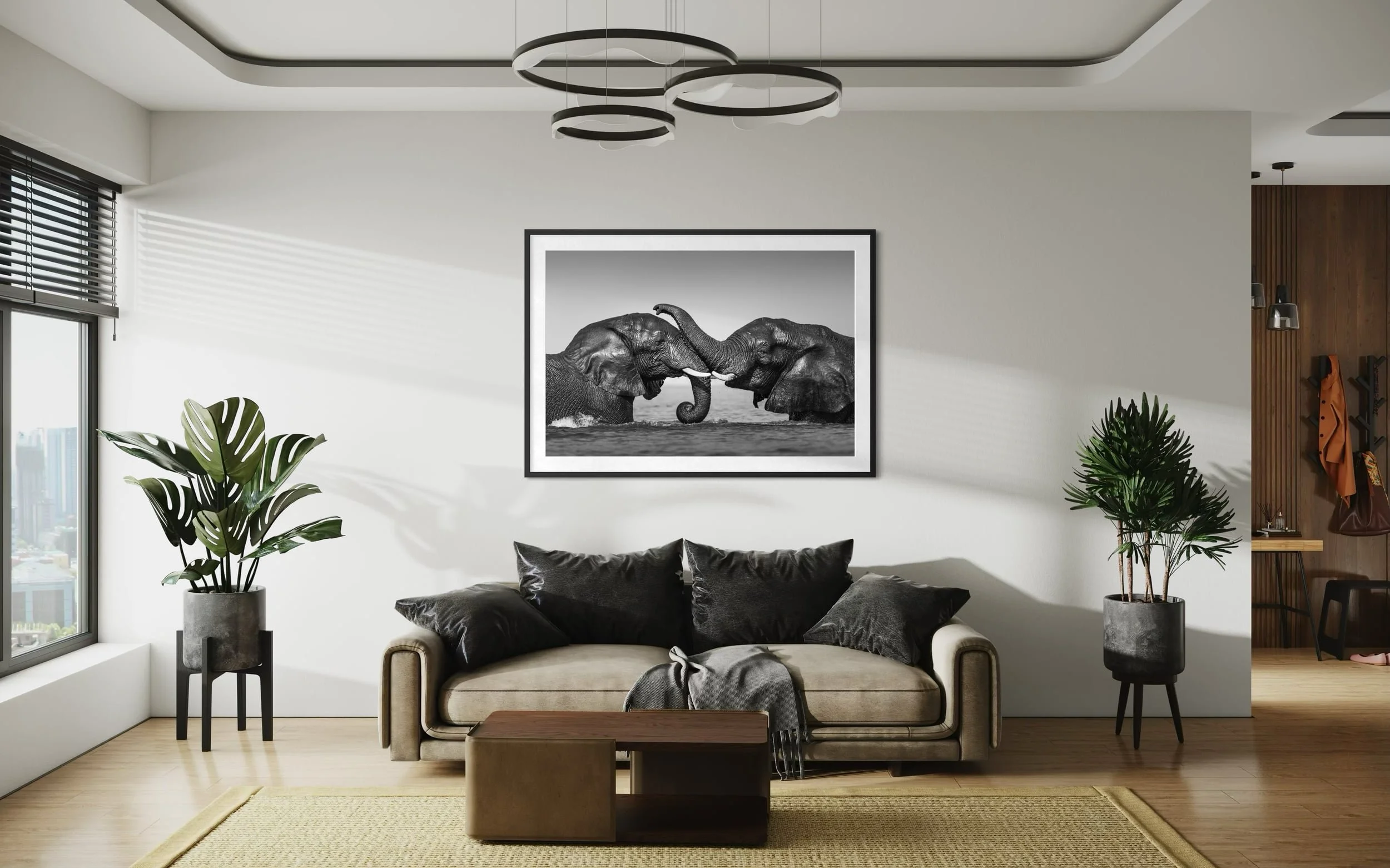
There is something extraordinary about living with art that carries the spirit of the wild. Fine art wildlife photography is not simply a record of nature — it is the rare meeting point between truth and vision. For collectors, this genre offers the chance to hold a fragment of the untamed world, preserved through the eyes of an artist.
Why Wildlife Photography Belongs in Fine Art
Photography has claimed its place beside painting and sculpture in the world’s most respected collections. Within this landscape, wildlife imagery is often underestimated — yet it offers a perspective no other medium can replicate. Each photograph captures a fleeting moment that will never return: the silent pause of an elephant, the fixed gaze of a lion at dusk. To collect these works is to recognize their power not just as images, but as encounters translated into art.
The Presence of the Wild in a Collector’s Space
A fine art print transforms the room it inhabits. Collectors often describe how a photograph of a lion, a cheetah, or a herd of elephants alters the atmosphere of their home. These works create a presence — a quiet intensity that reaches beyond decoration. They invite stillness, reverence, and awe. To live with such images is to carry the wilderness into the heart of daily life.
Rarity as a Measure of Value
In collecting, rarity has always been a key consideration. Limited edition prints embody this principle. Each is signed, numbered, and produced with the highest archival standards. Once the edition is complete, it will never be offered again in that form. For collectors, this scarcity ensures not only exclusivity but also permanence. A limited edition wildlife print becomes part of an intimate circle of works that exist in only a handful of homes and collections worldwide.
Legacy and Meaning
Wildlife photography carries a resonance beyond aesthetics. Many of the species and landscapes depicted are under threat. While the art must stand on its own merit, there is a certain gravity in knowing that these images may one day serve as both memory and testament. Collectors often see themselves as caretakers of these works — preserving not just an artwork, but the echo of a moment in the wild that may never be repeated.
Choosing What to Collect
For established collectors, acquisitions are rarely impulsive. Decisions are guided by artistic merit, emotional weight, and the reputation of the edition. Some build a series around a particular subject — lions, elephants, or birds of prey — while others choose based on what resonates most personally. First-time collectors often begin with a single piece, one that speaks so strongly it demands a place in their lives. Over time, that single piece becomes the foundation for a deeper relationship with the artist and the work.
The Collector’s Connection
In the end, collecting fine art wildlife photography is not about speculation or following trends. It is about connection — to the subject, to the artist, and to the wild itself. A photograph that endures continues to speak, year after year, offering both familiarity and surprise. To collect such a work is to welcome that dialogue into your space and into your life.
Each piece I release is part of a carefully considered, limited-edition collection, created with the intention of being a part of your life for decades. To begin or grow your collection, I invite you to explore the series and discover the works that speak most deeply to you.