

The Beauty of Black and White Wildlife Photography
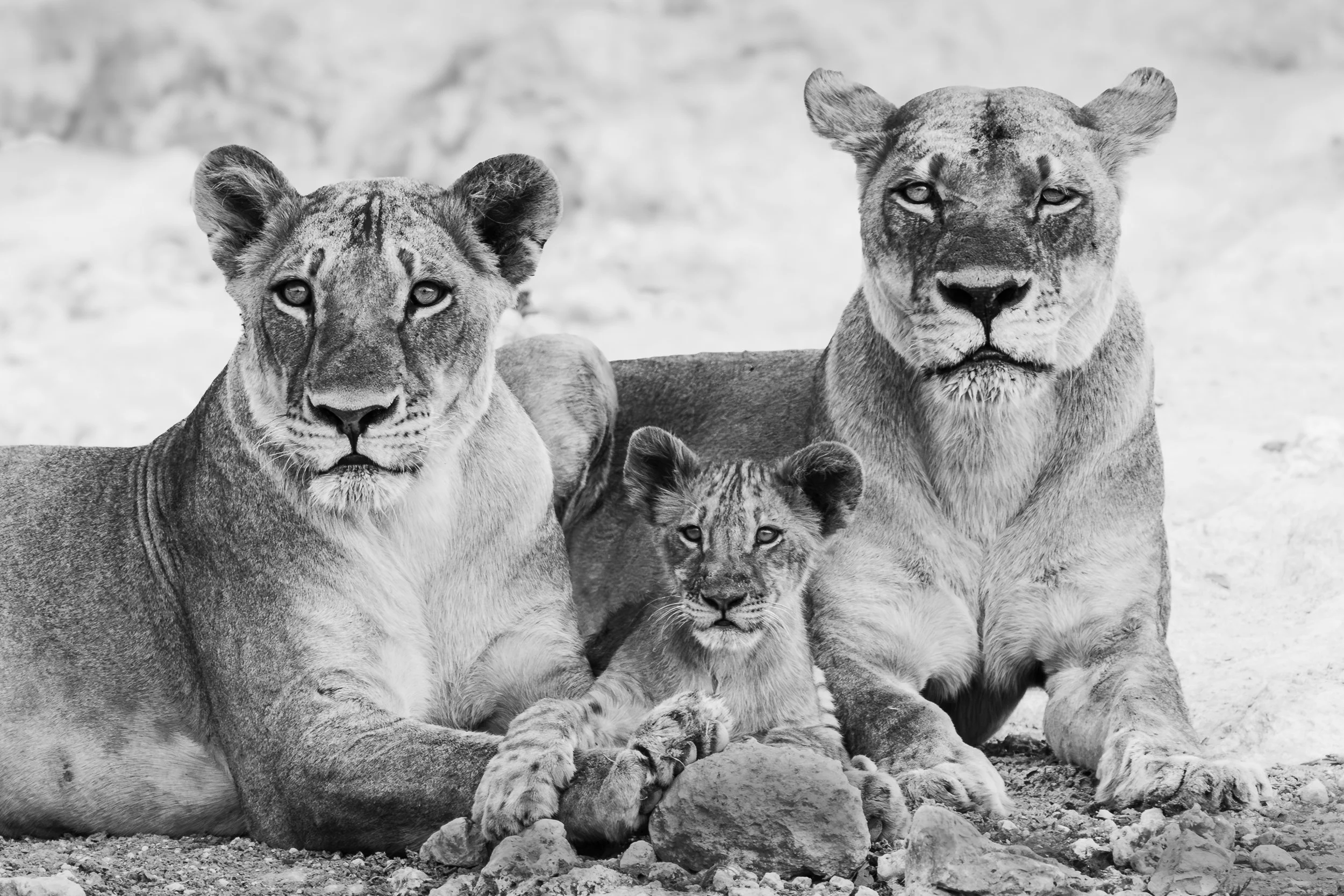
Capturing Wildlife in Monochrome
Black and white photography has always felt honest to me.
Especially when it comes to wildlife.
Color can be beautiful, but it can also do a lot of the work for you. In black and white, there is nowhere to hide. The image has to stand on light, shape, contrast, and expression alone. When those elements work, the photograph feels complete. When they don’t, it falls apart quickly.
That’s why I keep returning to monochrome when I photograph animals in the wild.
What Changes When Color Is Removed
Without color, the viewer notices different things.
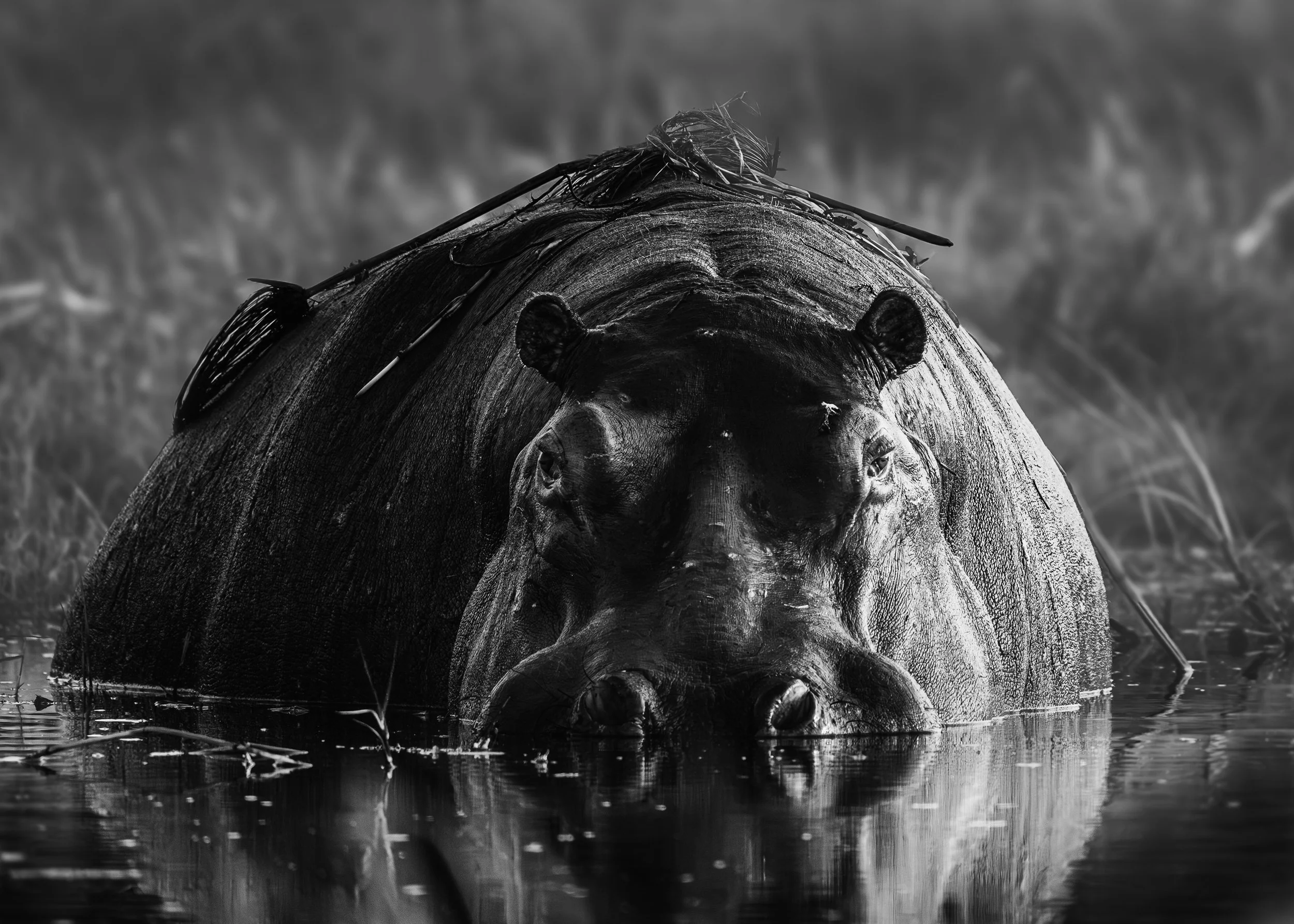
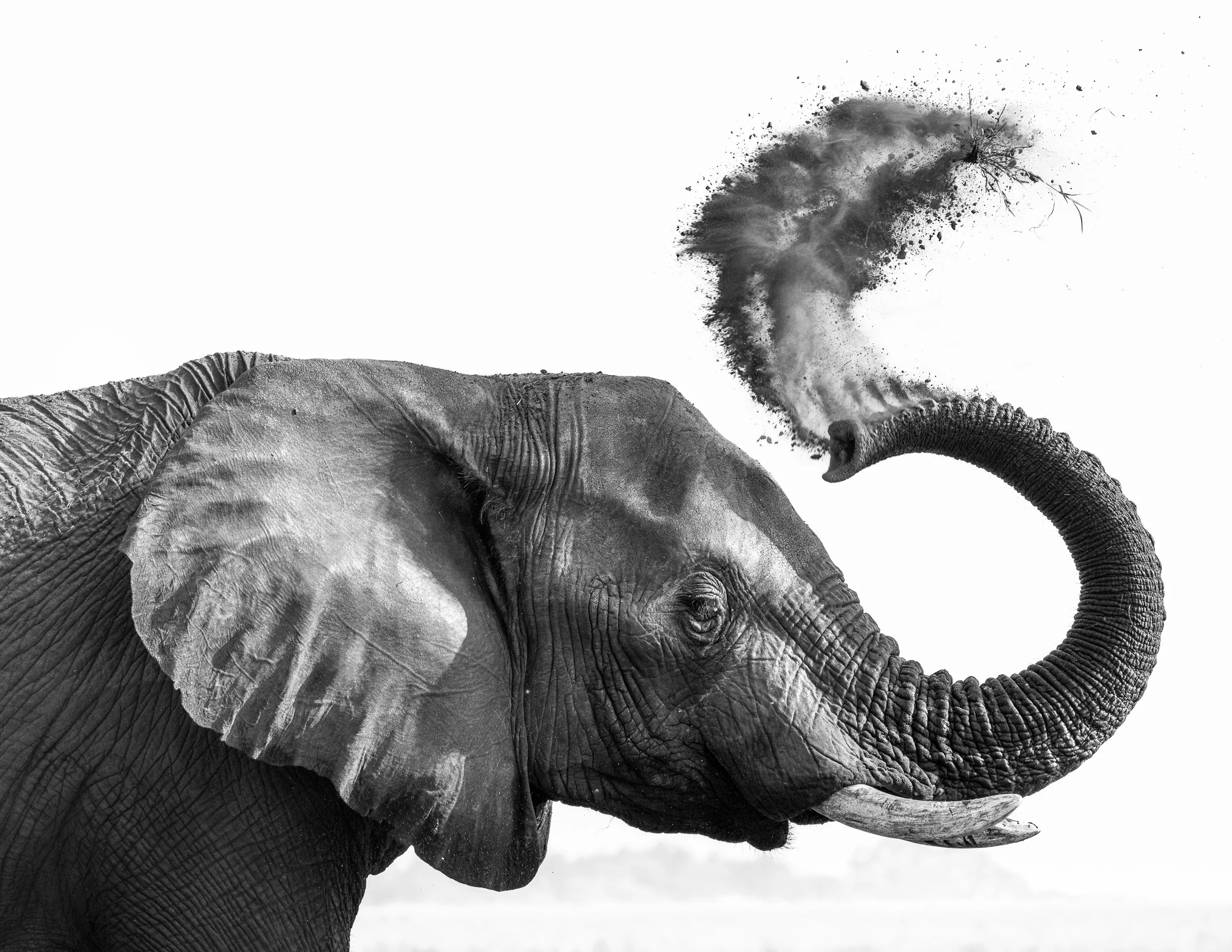
The texture of skin.
The direction of light.
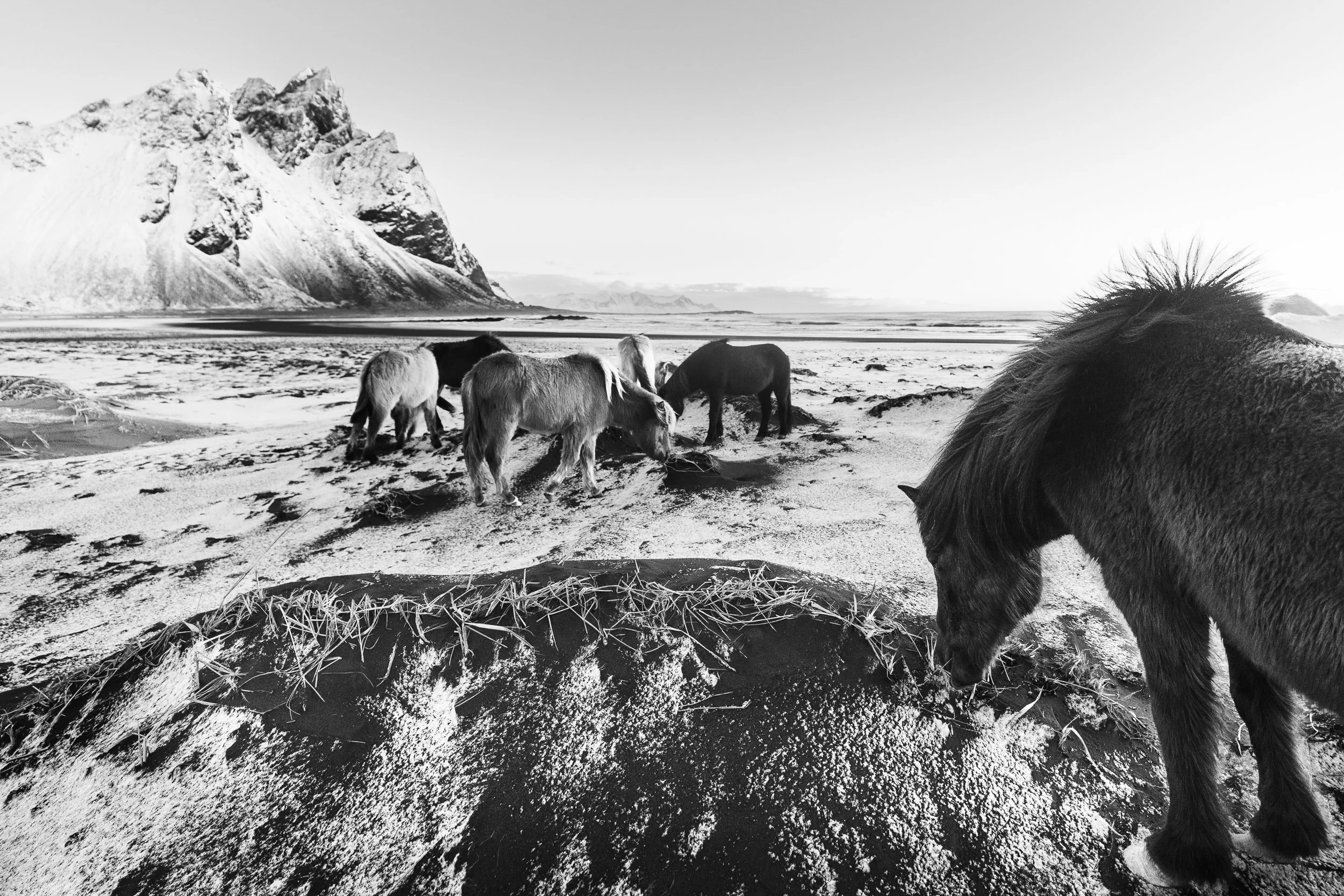
The space around the animal.
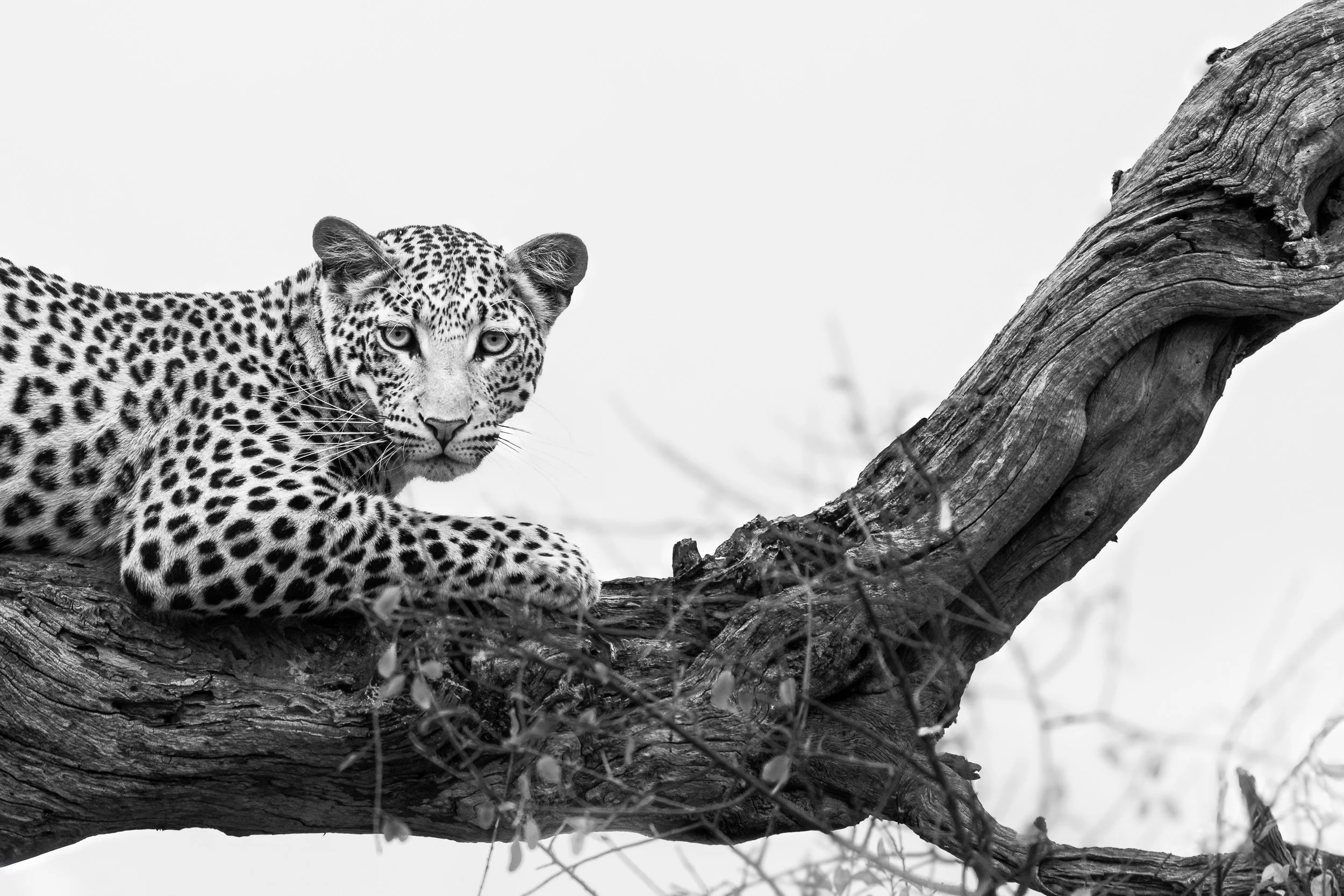
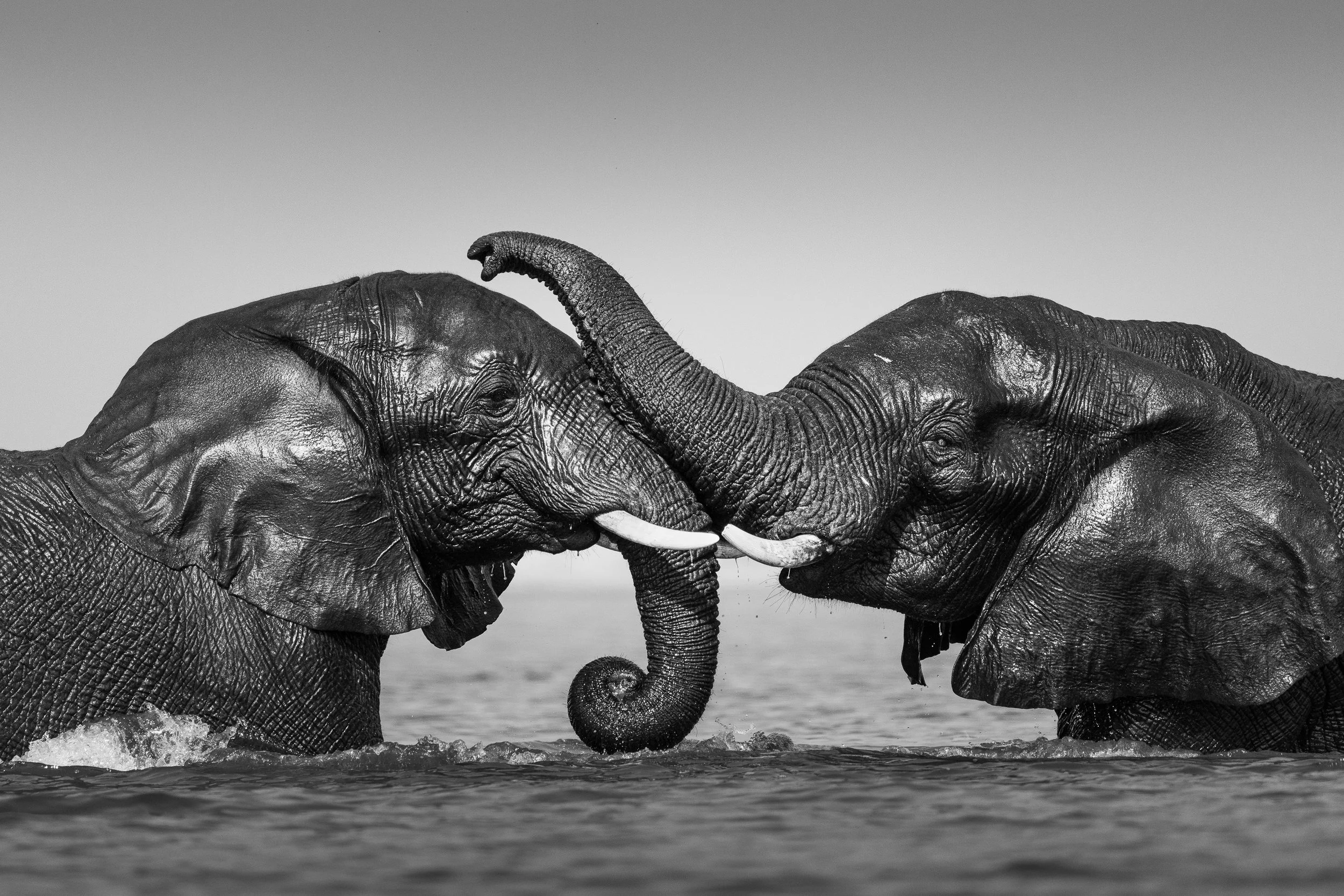
In black and white wildlife photography, the subject becomes clearer. There is less information competing for attention. The image feels more focused, and often more direct. You’re not guided by a blue sky or warm tones. You’re guided by the animal itself.
This shift creates a different kind of connection—one that feels calmer and more intentional.
Why Wildlife Works So Well in Black and White
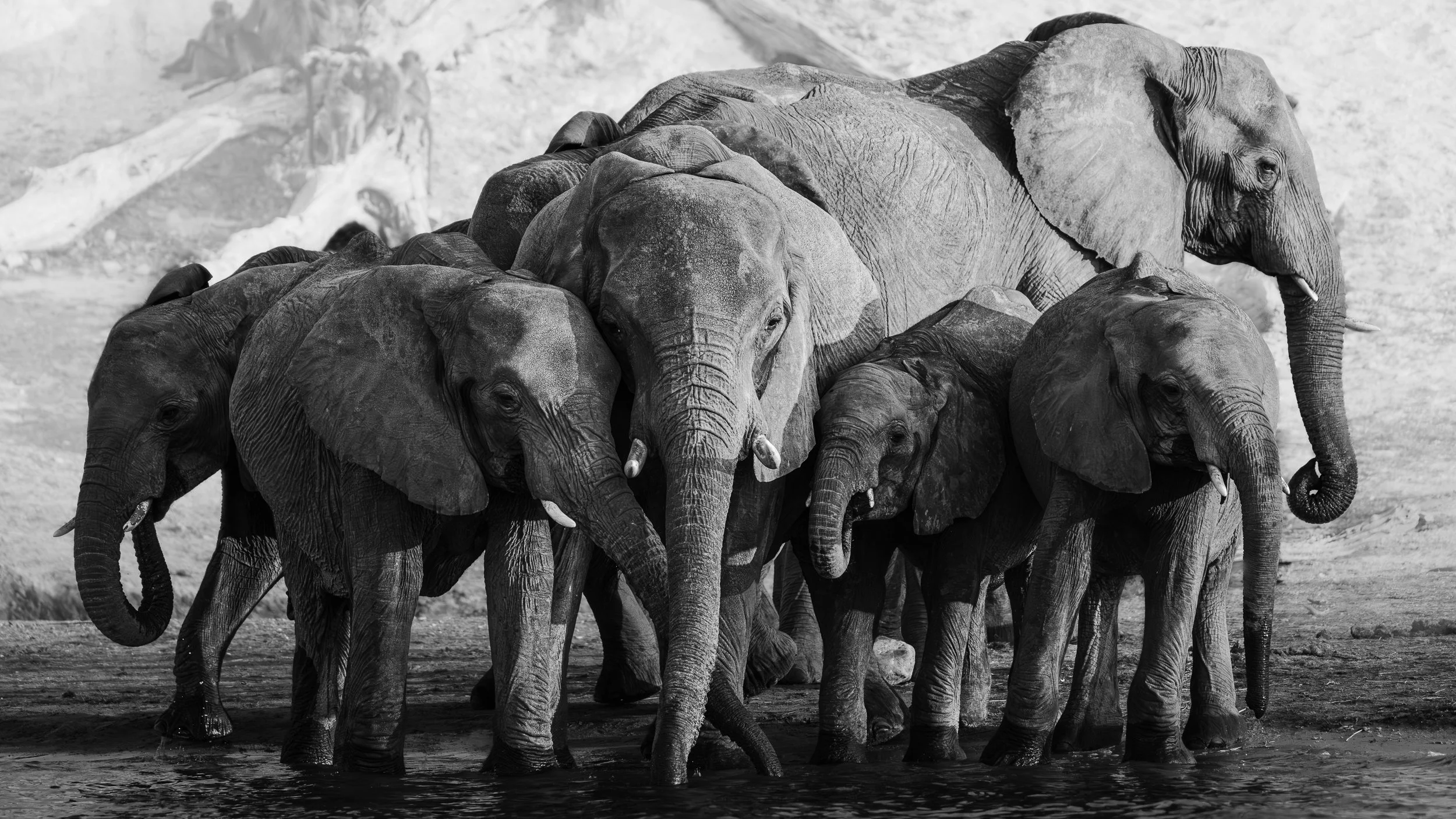
Wild animals are strong visual subjects by nature. Their forms are clear. Their movements are purposeful. Their expressions carry meaning even in stillness.
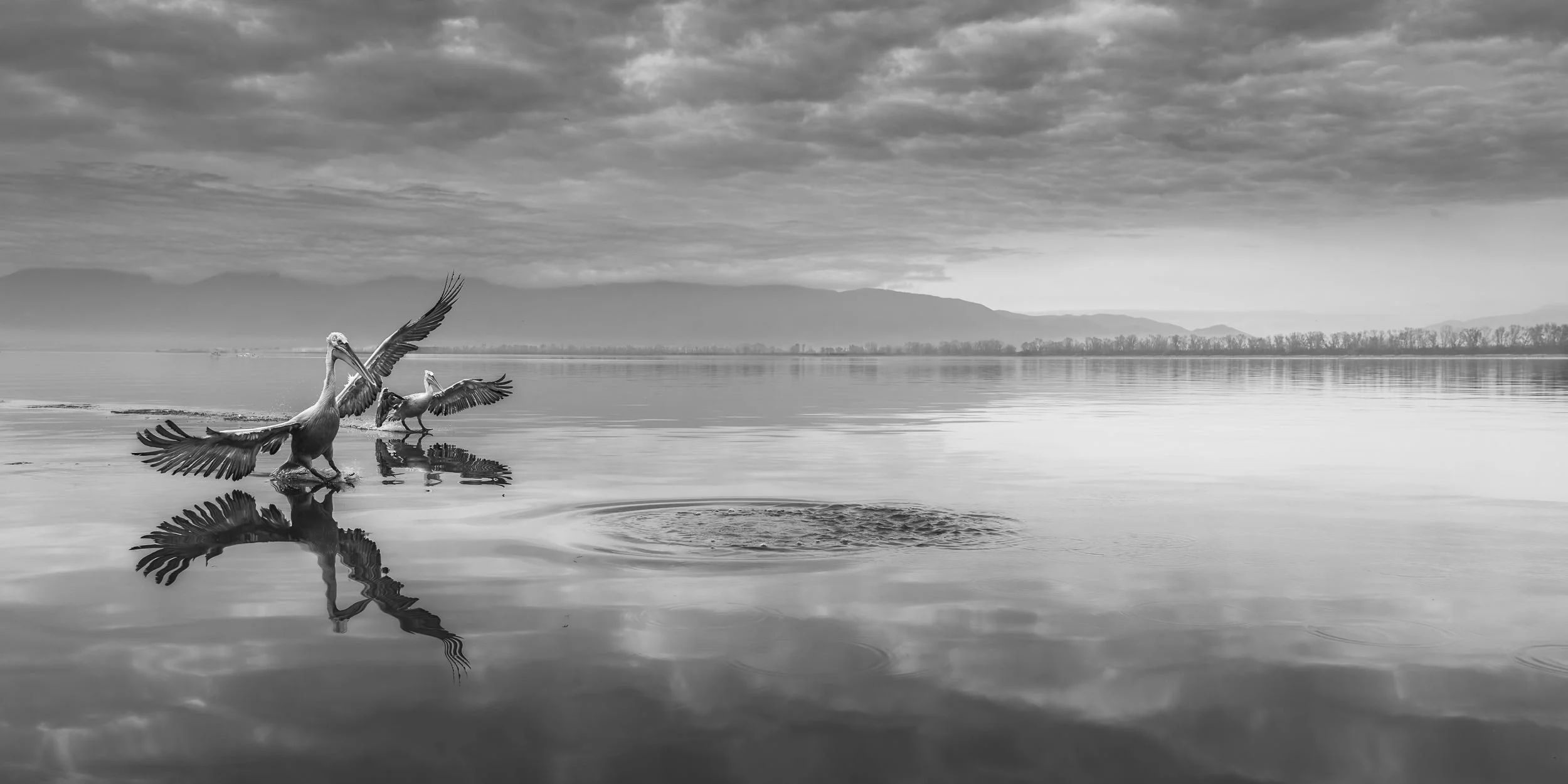
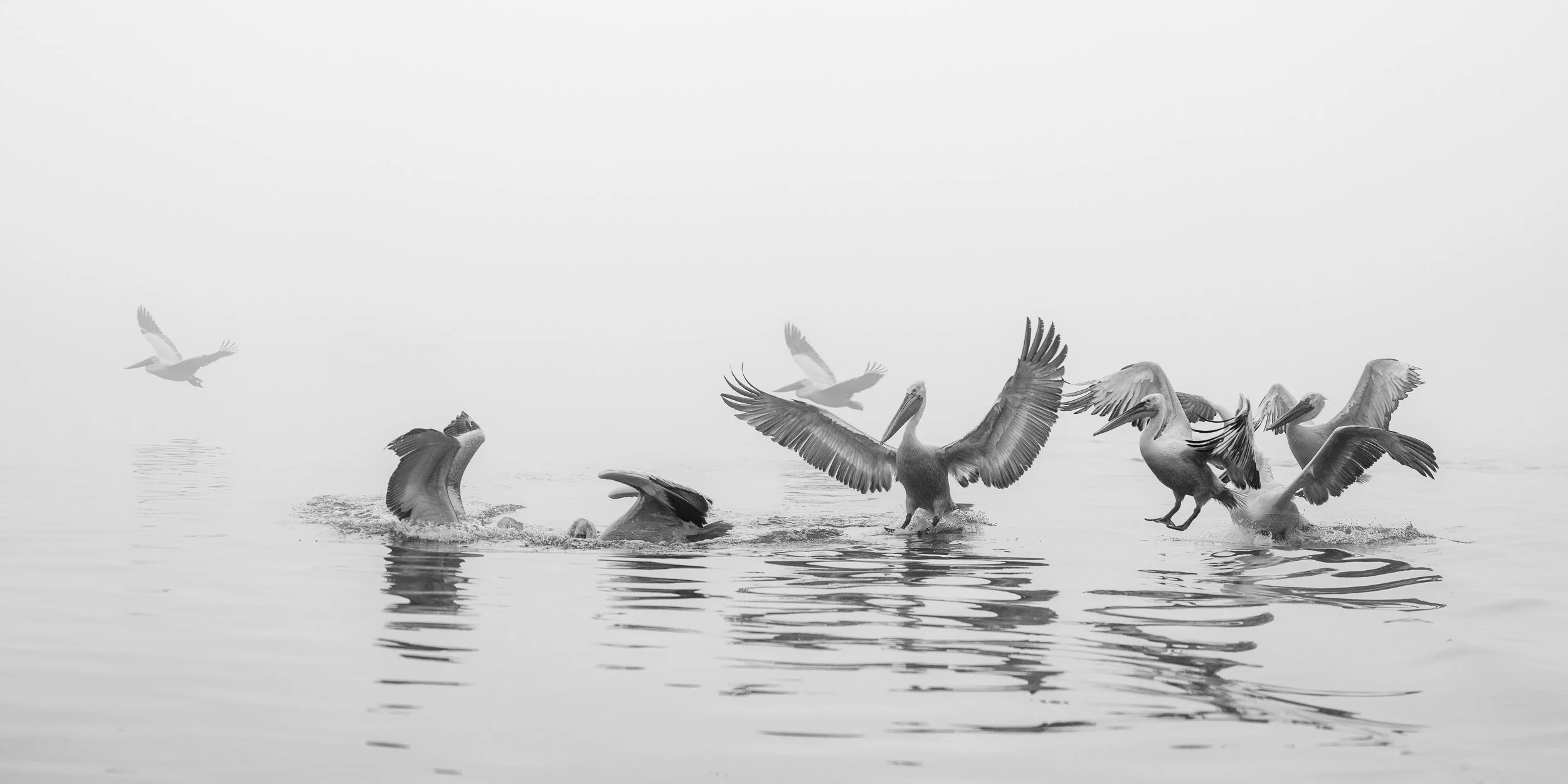
Black and white emphasizes these qualities. It separates the animal from the environment just enough to let its presence come forward. The photograph becomes less about scenery and more about the encounter.
For me, that’s important. Wildlife photography is not about decoration. It’s about acknowledging something real that exists beyond us.
Contrast and Emotion
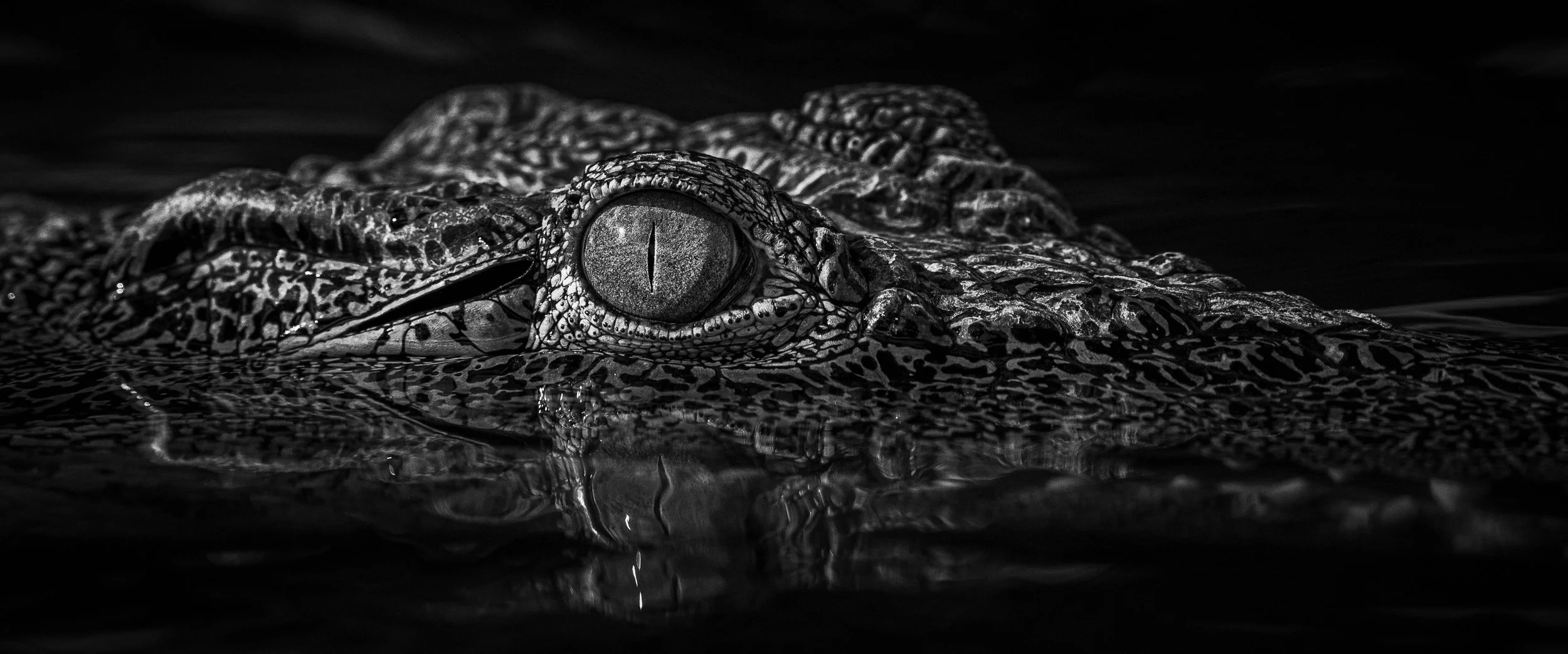
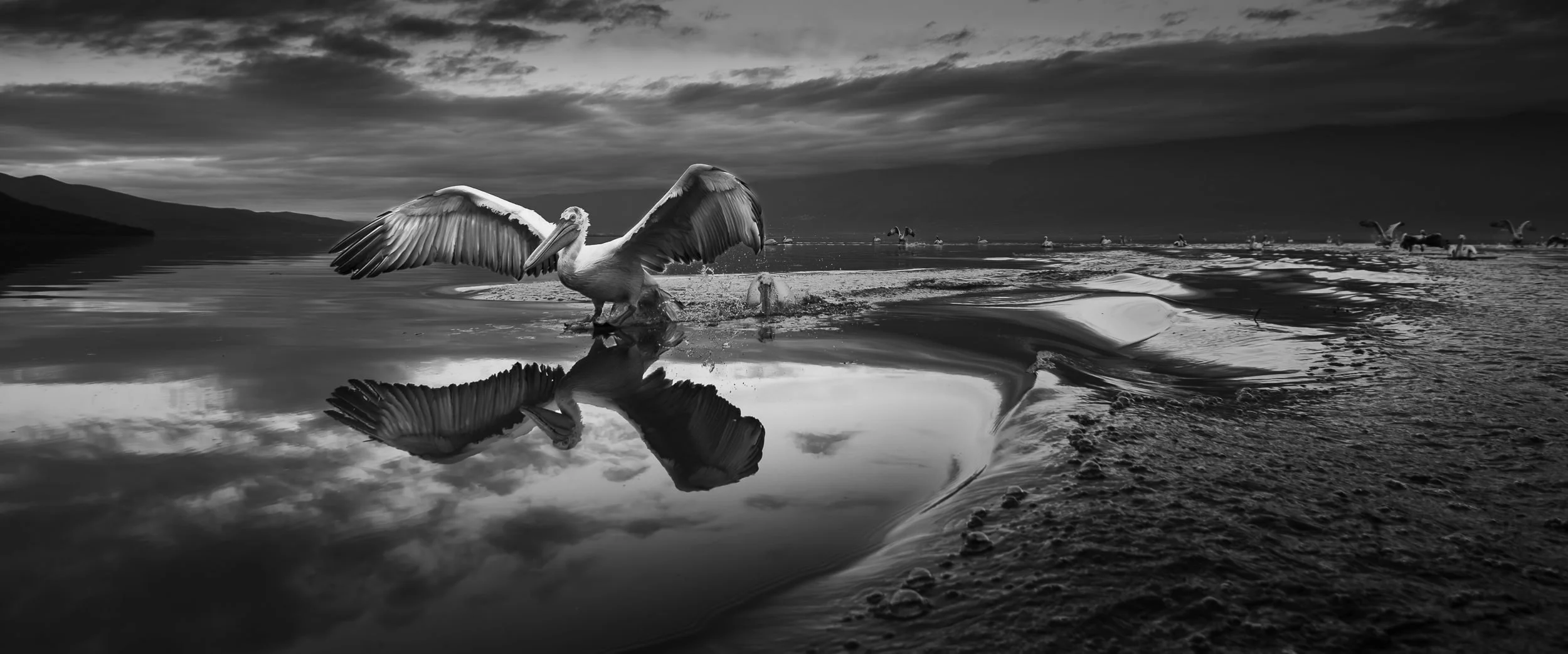
In monochrome photography, contrast becomes the main tool for emotion.
Bright highlights can feel open or intense.
Deep shadows can feel quiet, heavy, or intimate.
These emotional cues are subtle, but they matter. In wildlife photography, contrast often reflects the reality of the moment—early morning light, harsh midday sun, or fading visibility at dusk. Black and white keeps that honesty intact.
Nothing is added. Nothing is softened.
Slowing the Viewer Down
Color is immediate. Black and white asks for more time.
When people look at monochrome wildlife images, they tend to pause longer. The image doesn’t explain itself instantly. It invites attention rather than demanding it.
This matters, especially today. Wildlife photography is everywhere. What’s rare is an image that holds someone’s focus without trying too hard.
Black and white helps create that space.
A Practical Choice, Not a Trend
Black and white is not a stylistic decision I make to stand out. It’s a practical one.
These images live well over time. They work in different environments. They don’t rely on current color trends or interior styles. For collectors, this permanence is important. A black and white wildlife print doesn’t need to be updated. It settles into a space and stays relevant.
That long-term strength is one of the reasons monochrome photography continues to belong in serious collections.
Stillness Has Weight
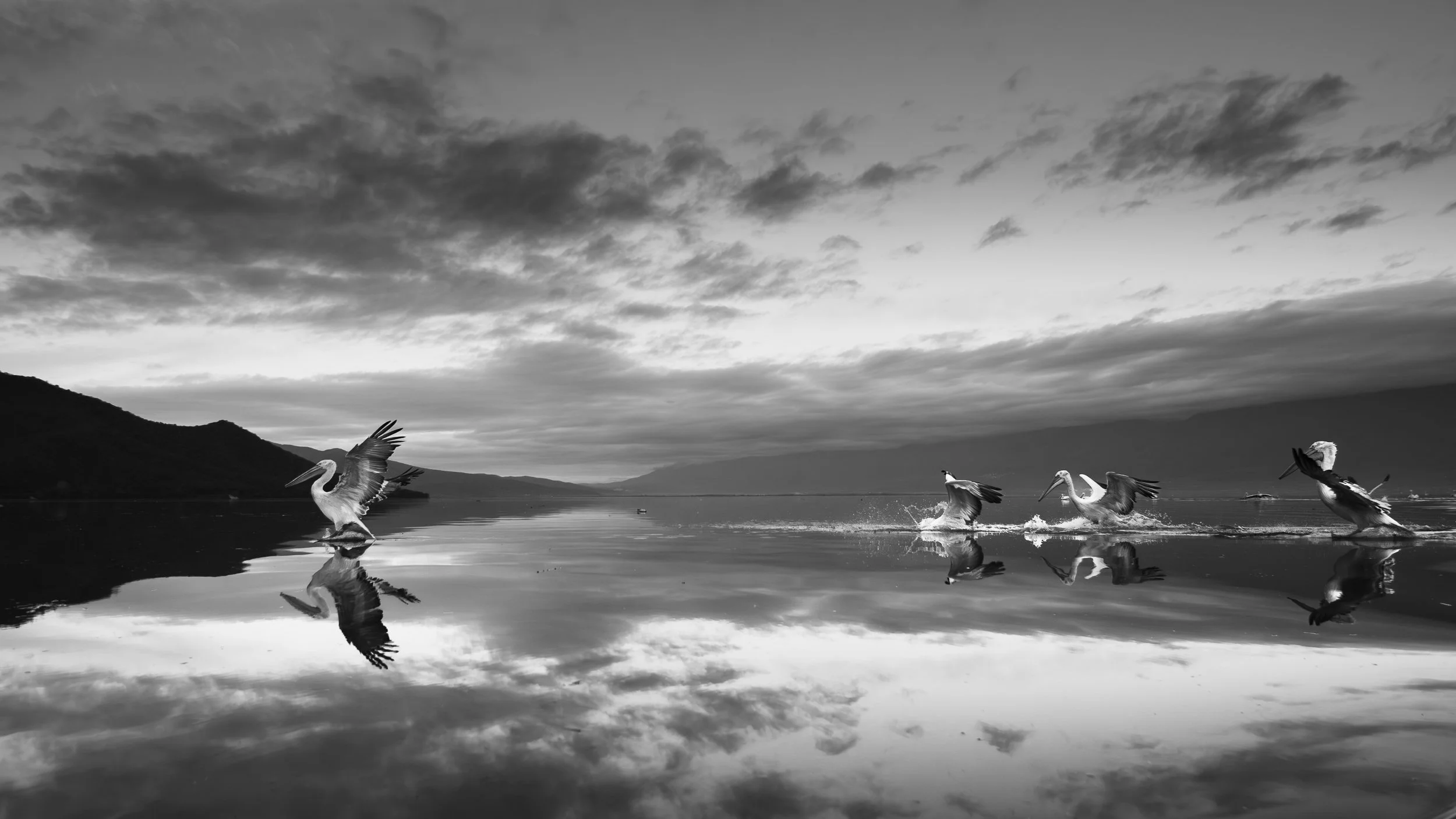
One thing black and white does especially well is highlight stillness.
A resting animal.
A pause between movements.
A quiet moment that might otherwise be overlooked.
In color, these moments can feel empty. In black and white, they feel deliberate. The absence of movement becomes part of the image, not a lack of action.
This is often where the strongest wildlife photographs live.
Why I Continue to Work This Way
I don’t photograph wildlife to chase spectacle. I photograph it to document presence.
Black and white helps me stay focused on that goal. It keeps the process simple. It keeps the editing honest. And it keeps the final image grounded in what was actually there.
Over time, I’ve learned that these are the photographs people return to—the ones that don’t try to impress, but continue to hold attention.
Final Thought
I work in black and white because it’s the way I see most clearly.
In many cases, removing color changes how the image feels—especially with wildlife. Without color, there’s less direction. The viewer is not guided toward beauty or atmosphere. Instead, attention moves closer to the animal itself. Its expression, its posture, the feeling of the moment.
When I photograph, I’m always thinking about the final print. How the image will live on paper. How the light will hold. How the contrast will feel when the photograph is no longer on a screen. Often, I know from the beginning that a photograph will work better in black and white. Other times, I know just as clearly that color is the right choice.
But black and white is always the starting point for me. It’s where I begin. It’s what feels most natural for both the subjects I photograph and the way I work. From there, everything else follows.
That’s why monochrome isn’t a style I apply later. It’s part of the way I see the image before it even exists.
Collector Invitation
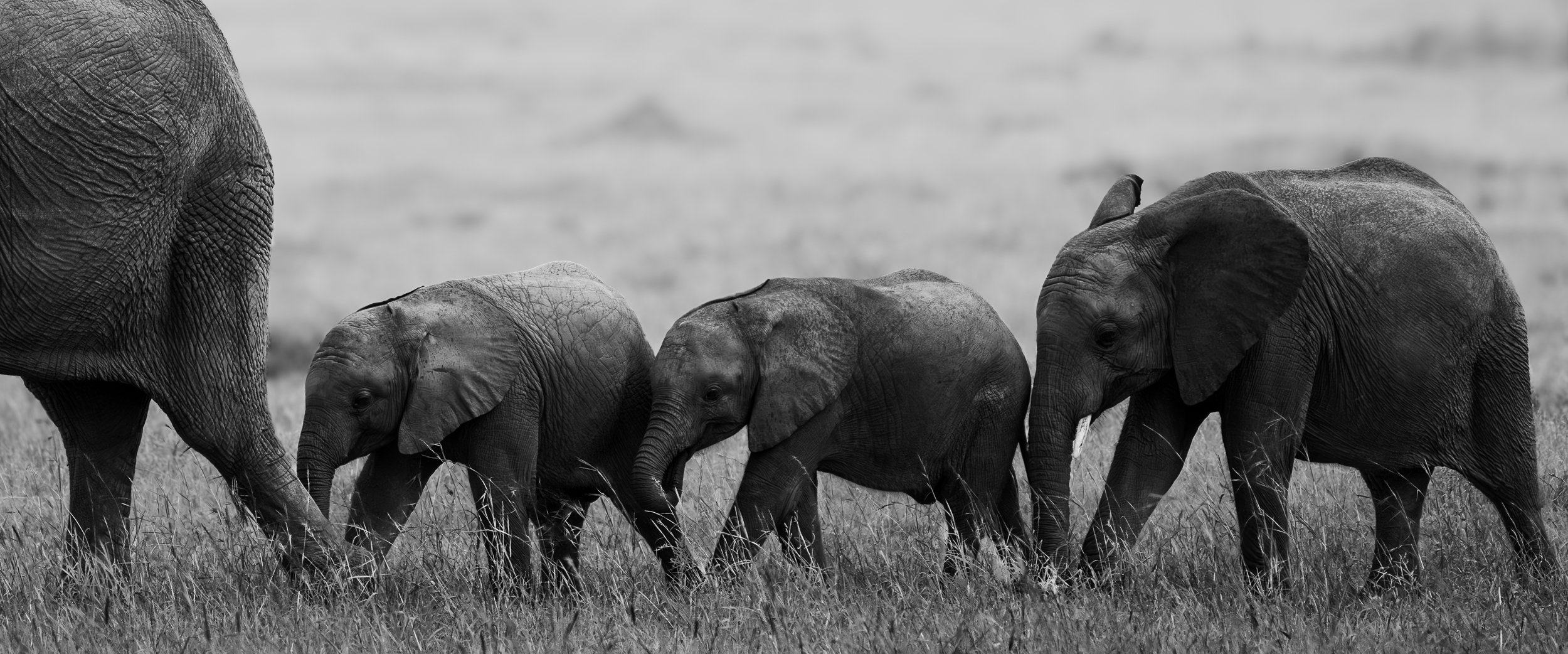
Each black and white wildlife photograph I release is part of a small, carefully considered edition. The prints are made to last, both physically and visually, and to live quietly in the spaces they enter.
If monochrome wildlife photography speaks to you, I invite you to explore the available works and take your time with them.
Frequently Asked Questions
Why choose black and white for wildlife photography?
Black and white removes visual noise and allows the viewer to focus on form, light, and expression. In wildlife photography, this often creates a stronger sense of presence and emotion than color.
Does black and white wildlife photography feel less realistic?
No. It presents reality in a different way. While color reflects how we see the world, black and white emphasizes structure and mood—elements that are just as true to the moment.
Is black and white wildlife photography considered fine art?
Yes. Black and white has a long history in fine art photography. Many collectors value monochrome work for its restraint, longevity, and ability to hold meaning over time.
Do black and white prints work well in modern interiors?
They do. Monochrome prints integrate easily into many spaces because they don’t rely on color trends. They tend to feel balanced and stable in both contemporary and classic environments.
Are black and white wildlife images edited differently than color images?
Yes. The process focuses on contrast, tonal balance, and texture rather than color accuracy. The goal is to remain faithful to the scene while allowing the subject to stand clearly on its own.