

Fine Art Photography vs Photography: What Makes It Art?
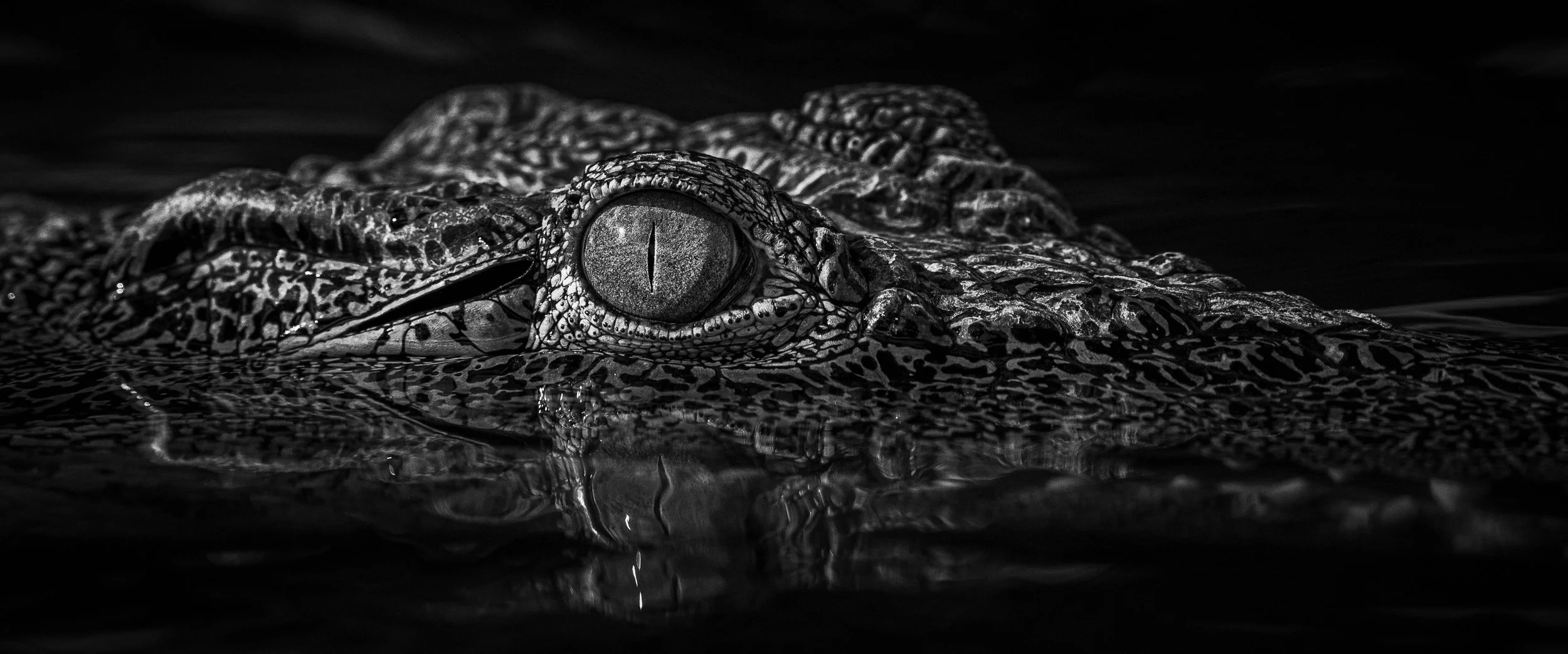
Every photograph begins with a moment — a fragment of light, time, and instinct. But not every photograph becomes art. Fine art photography goes beyond recording reality; it interprets it. It’s where vision, emotion, and craftsmanship meet to create an image that invites reflection, not just attention.
In the modern world, photography is everywhere — on phones, in advertising, across social media. Yet among billions of images, only a small fraction can be called fine art photography. What separates them is not simply subject or technique, but intention.
Fine art photography is not about what the camera sees; it’s about what the artist wants you to feel.
Vision Beyond the Scene
Every fine art photograph begins long before the shutter clicks. It starts with a vision — an idea, a mood, or a story that the artist wants to communicate. While most photographs document what happened, fine art photography expresses why it mattered.
A wildlife photographer might wait hours for a lion to emerge from the tall grass, not to capture its shape, but to reveal its soul — the stillness before a movement, the gaze that carries both strength and fragility. That is where fine art lives: in the space between the visible and the felt.
Fine art photographers often plan their images with the same care as a painter composing a canvas. Light, shadow, composition, and timing all serve an emotional purpose. When the shutter is pressed, the resulting image becomes the expression of an inner vision — not a record of an event.
The Role of Intention
At its core, fine art photography is photography with purpose. Nothing is accidental. Every detail — from camera settings to post-processing — aligns with the artist’s intention.
In traditional photography, the focus might be on sharpness or exposure. In fine art photography, these are only tools. What truly matters is meaning. Each frame belongs to a larger concept or body of work, often forming a cohesive visual narrative.
When I create a fine art print, my intention is not only to show wildlife — but to evoke something universal: dignity, silence, connection. The image should move beyond observation and invite the viewer into the experience itself.
This sense of intention is what transforms a photograph from a fleeting image into a lasting artwork — one that speaks even when words fall short.
Craftsmanship and Authenticity
Fine art photography doesn’t end in the field. The printing process is where the photograph becomes tangible, transforming vision into an object of art.
Every print is created with museum-grade materials — archival paper, pigment inks, and a professional printing process designed to preserve detail and tonal depth for generations. The tactile quality of a fine art print — its texture, weight, and finish — reflects the artist’s commitment to excellence.
Each piece is signed and numbered, and accompanied by a certificate of authenticity that documents the edition size and guarantees its integrity. This process ensures that the collector owns something truly limited, something that carries both artistic and collectible value.
Just as a sculptor chooses marble or bronze, the fine art photographer chooses paper and light — materials that will hold the emotion of the image for decades to come.
Authenticity is essential. The work must represent the artist’s truth — real encounters, genuine emotion, and ethical creation. In a world flooded with manipulated imagery, integrity becomes part of the art itself.
Emotional and Artistic Connection
Fine art photography is not made to impress; it is made to move.
Collectors often describe living with fine art photography as an emotional experience. A single image can fill a space with energy — quiet, strength, or serenity — depending on the artist’s intention.
A black and white lion portrait might exude timeless power; an image of elephants walking through mist may bring peace and reflection. Each piece holds a presence that transforms a room.
That emotional connection is what separates fine art photography from casual photography. One records a moment; the other transforms it into meaning.
This emotional depth also gives fine art photography its enduring appeal. Trends fade, but emotion remains. Decades from now, a powerful photograph still carries the same truth it did the day it was printed.
The Artist’s Responsibility
To create fine art photography is to take on a responsibility — to tell the truth of a moment while revealing its hidden layers of meaning. The fine art photographer becomes both observer and interpreter, bridging the human world and the natural one.
In wildlife fine art photography, this role carries particular weight. The artist must work with respect — capturing real, unstaged moments while revealing their inner poetry. The goal is not to possess the wild, but to honor it.
A fine art photograph becomes a dialogue between three worlds:
the artist, who seeks meaning,
the subject, whose presence gives the work life,
and the viewer, who completes the story through emotion.
When all three connect, a photograph transcends its medium. It becomes art — honest, powerful, and alive.
Why Fine Art Photography Matters
Fine art photography plays a unique role in modern culture. It bridges nature, art, and emotion — offering a slower, deeper way of seeing.
For collectors, owning fine art photography is an act of appreciation — not just for beauty, but for intention. Each print is a conversation between artist and viewer, built on trust, craft, and shared emotion.
In a world of endless digital images, fine art photography reminds us of something rare: that a single, honest image still has the power to stop us, move us, and make us feel.